Tree Cabling and Bracing in North Texas: Why It Matters and When You Need It
Most North Texas homeowners think tree care comes down to two options — maintain it or remove it. But there's a third option that saves valuable trees from unnecessary removal while protecting the property around them: tree cabling and bracing. For Cleburne and Burleson homeowners with large, mature, or structurally compromised trees, cabling is often the difference between preserving a 50-year-old oak and watching it come down after the next spring storm. Branch Boss provides ISA certified cabling and bracing throughout North Texas — and this guide explains exactly when it's the right call, what the process involves, and what to look for on your own property before storm season arrives.
What Is Tree Cabling and Bracing — And How Does It Work?
Tree cabling and bracing are proactive structural support systems installed by certified arborists to strengthen trees with weak branch unions, co-dominant stems, or heavy overextended limbs. Rather than removing a structurally compromised tree, cabling and bracing reinforce it — extending its life while significantly reducing the risk of storm failure.
The two systems and how they differ:
| System | How It Works | Best For |
|---|---|---|
| Cabling (flexible support) | High-strength steel cables or synthetic rope attached to anchor bolts installed in the upper canopy — connects weak branches so they support each other and limits movement during high winds | Co-dominant stems, V-shaped weak unions, overextended horizontal limbs |
| Bracing (rigid support) | Solid steel rods inserted through split or weakened sections of the trunk or major limbs — provides direct mechanical support that holds wood fibers together and prevents the gap from widening | Active splits in trunk or major limb unions, areas where bark has already separated |
Two cable system types:
- Static systems — traditional high-strength galvanized steel cable offering rigid support. Preferred for severe structural weakness and high-risk situations
- Dynamic systems — synthetic rope-based systems like Cobra or Dryad that allow more natural tree movement while still providing support under stress. Non-invasive — often don't require drilling
Both systems are designed to be largely invisible from the ground — preserving the tree's aesthetic while keeping it structurally sound.
When Is Tree Cabling the Right Call in North Texas?
Cabling is a targeted solution for specific structural conditions — not a fix for every compromised tree. Here's the decision framework for Cleburne and Burleson homeowners:
Cable when you see these conditions:
| Condition | Why Cabling Helps |
|---|---|
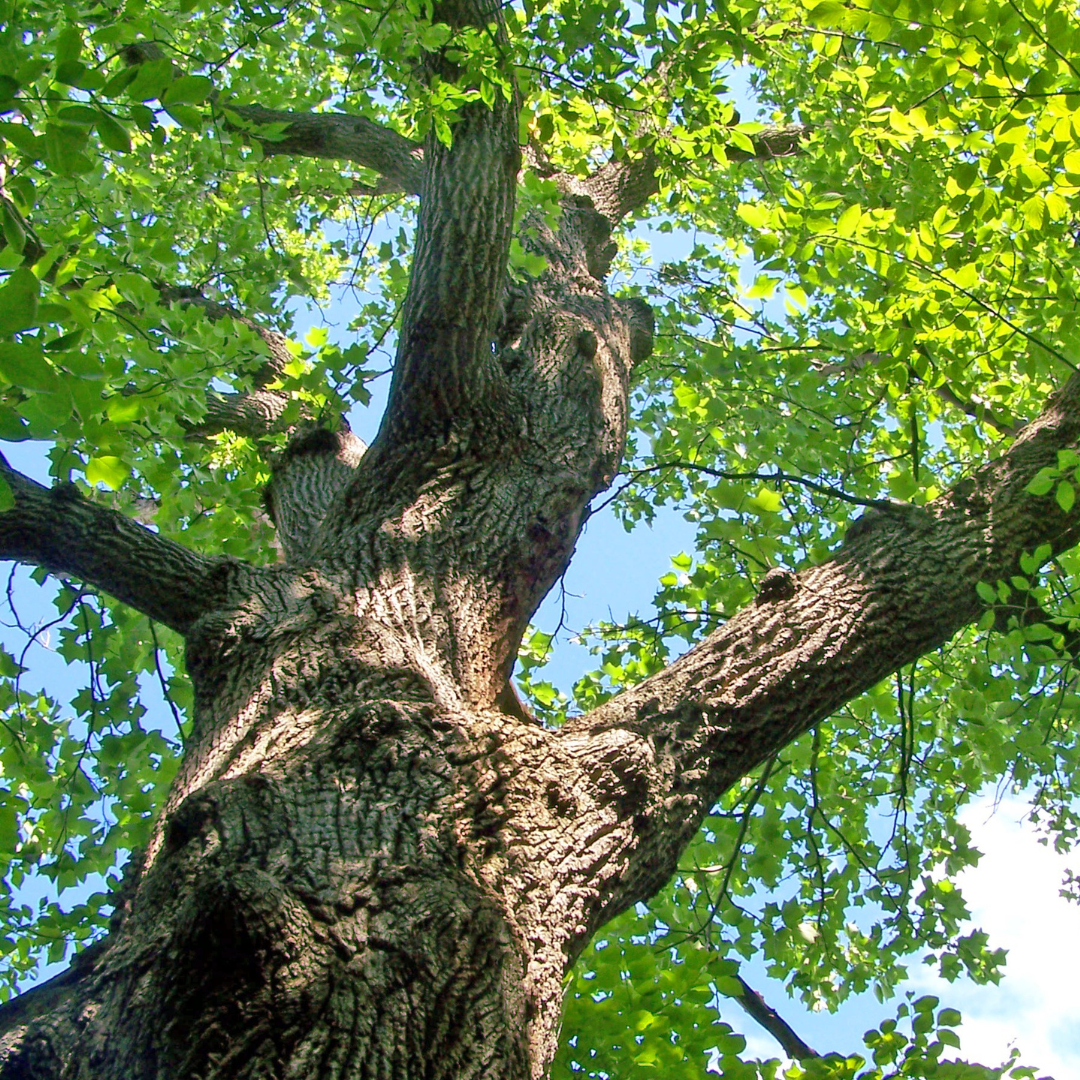
| Co-dominant stems with V-shaped unions | Two or more main trunks competing for dominance form a tight V rather than a strong U — trapping bark inside the union creates a structural weak point that cannot withstand high winds without support |
| Heavy or overextended horizontal limbs | Branches that have grown too long or heavy relative to the rest of the canopy — common in North Texas oaks and elms without structural pruning history — are at high failure risk |
| Historically storm-damaged trees | Trees that have already lost limbs, sustained trunk cracks, or survived previous severe storms often have compounding structural weakness that cabling stabilizes before the next event |
| High-value trees with minor structural defects | Mature trees providing significant shade, privacy, or property value can often be preserved through cabling rather than removed — particularly when the tree is otherwise healthy |
North Texas species most commonly needing cabling: Cedar Elms, Pecans, and various oak species in Cleburne and Burleson frequently develop co-dominant stems and weak unions as they mature — making them the most common cabling candidates in this market.
When cabling is NOT the right call: If a tree has extensive internal decay confirmed by arborist assessment, significant fungal growth at the base, a dead or severely compromised root system, or structural failure that has already progressed too far — removal is the responsible recommendation. Cabling a tree that should come down is not a service Branch Boss will perform.
Why North Texas Storm Season Makes Cabling More Important Than Most Regions
The specific combination of North Texas weather patterns creates a tree failure environment that's more unforgiving than most parts of the country:
| North Texas Risk Factor | How It Affects Structurally Weak Trees |
|---|---|
| Saturated clay soil | Clark County's dense clay becomes waterlogged quickly during spring storms — reducing root anchorage and dramatically increasing uprooting risk for trees with weak structural connections |
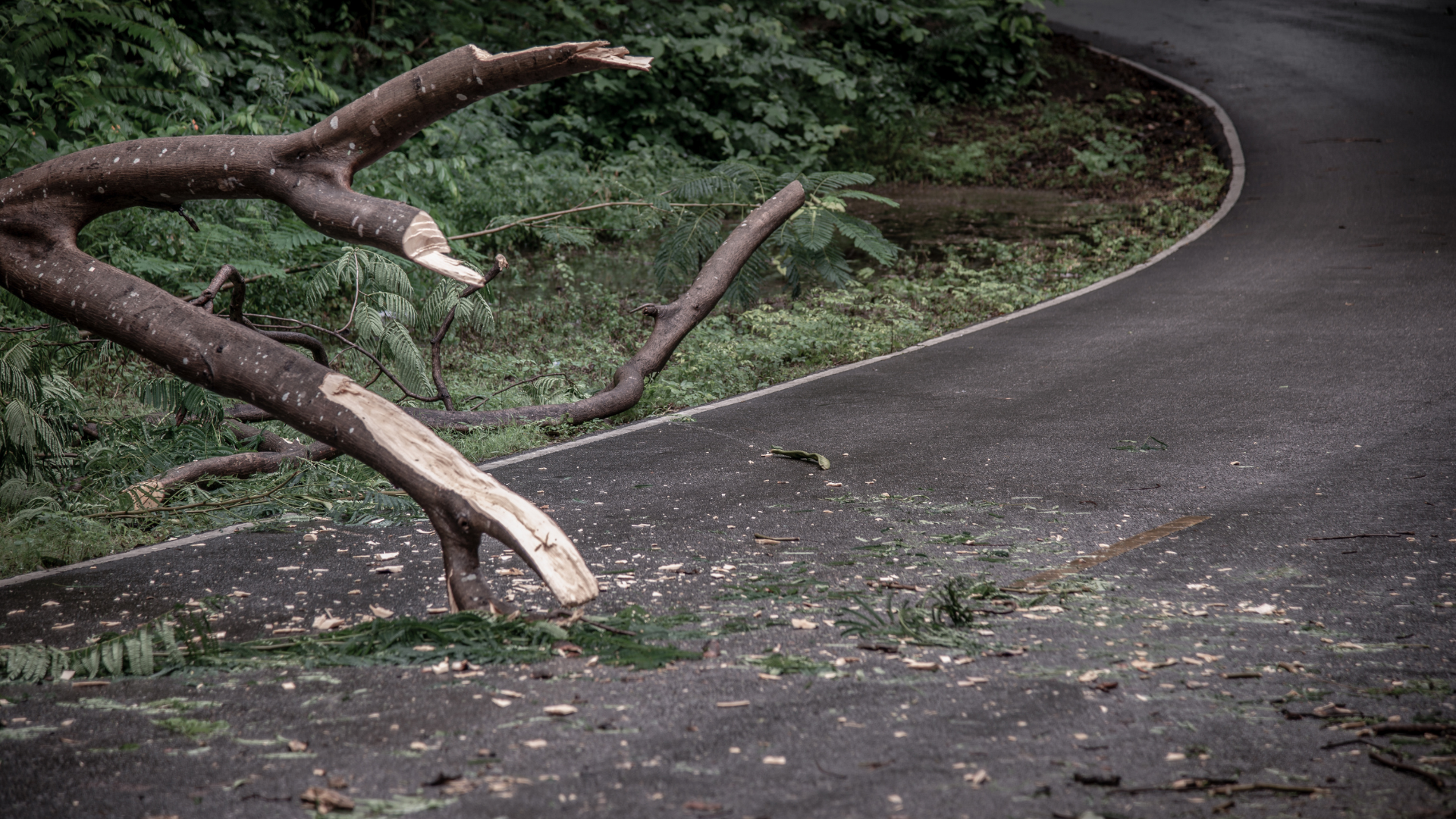
| High-velocity wind stress | Spring storms regularly produce wind gusts above 60 mph — forcing structurally compromised trees with weak V-shaped joints or internal decay to fail suddenly |
| Hail damage | North Texas hail strikes bruise bark and branches, creating entry points for fungi and bacteria that weaken structural integrity over the following seasons |
| Cumulative storm stress | Damage is compounding — small cracks from a March storm become significant structural failure points by May. Trees that survived last season may not survive this one without intervention |
For trees with co-dominant stems or V-shaped unions heading into North Texas storm season, cabling isn't optional — it's the difference between a tree that holds and one that becomes a property damage event. For more on the full scope of storm risk in this region, read our
storm season prep guide for North Texas trees →.
Tree Cabling vs. Tree Removal — How to Know Which Is Right
This is the most important question a homeowner faces when a structurally compromised tree is identified — and Branch Boss approaches it with one priority: honesty.
Choose cabling when:
- The tree is otherwise healthy with good root structure and a viable canopy
- The structural weakness is specific and addressable — a single co-dominant stem, one overextended limb, an identifiable weak union
- The tree has significant value — shade, privacy, property aesthetics, or emotional significance
- An ISA certified arborist assessment confirms the cable system will meaningfully reduce failure risk
Choose removal when:
- Internal decay is extensive — confirmed by sound testing or resistance drilling, not just visual assessment
- Fungal conks, mushrooms, or significant soft wood is present at the base or trunk
- Root system is compromised or dying — cabling a tree with a failing foundation doesn't address the real failure risk
- The structural failure has already progressed beyond what a support system can address
- The tree poses immediate hazard to a structure, utility line, or high-traffic area and the risk cannot be adequately mitigated
The honest middle ground: Sometimes the right answer is cabling combined with strategic crown reduction pruning — reducing the weight and wind resistance in the canopy while installing cable support for the remaining structure. Branch Boss provides this integrated assessment rather than defaulting to the easier answer in either direction.
For more on when removal is the right call in North Texas, read our
storm season prep guide for North Texas trees →.
How Long Does Tree Cabling Last — And What Maintenance Does It Require?
Cabling is a long-term investment — but it requires ongoing professional oversight to remain effective:
| System Type | Expected Lifespan | Key Maintenance Needs |
|---|---|---|
| Static steel cable | 20–40 years | Annual ground inspection, climbing inspection every 3–5 years, hardware adjustment as tree grows |
| Dynamic synthetic rope | 10–15 years | Annual inspection, UV degradation monitoring, replacement when rope integrity declines |
Why "set and forget" doesn't work with cabling: As a tree grows, cable tension changes. A cable that was properly tensioned at installation can become too tight — girdling the tree — or too loose, providing inadequate support, over time. Annual arborist inspection catches these changes before they create new problems.
Inspection schedule Branch Boss recommends:
- Annually — ground-level assessment after significant weather events and as part of routine spring tree care
- Every 3 to 5 years — up-close climbing or aerial lift inspection of anchor points, hardware condition, and cable tension
- After any severe storm — structural changes from wind or hail loading can affect cable effectiveness immediately
What the Tree Cabling Installation Process Looks Like
Understanding the process reduces hesitation — here's exactly what Branch Boss does from assessment through follow-up:
Step 1 — Assessment and planning Every cabling project starts with a full structural evaluation — identifying co-dominant stems, measuring stem angles and structural forces, assessing internal decay, and confirming the tree is a viable candidate for cabling rather than removal. Cable placement is calculated — typically positioned two-thirds of the distance from the weak union to the top of the tree for maximum effectiveness. Light pruning to reduce limb weight often occurs before installation.
Step 2 — Hardware selection Hardware is selected based on limb size, weight, decay presence, and the level of support required — following ANSI A300 standards. Static steel systems for severe structural weakness, dynamic synthetic systems for trees where natural movement is desirable and the structural weakness is moderate.
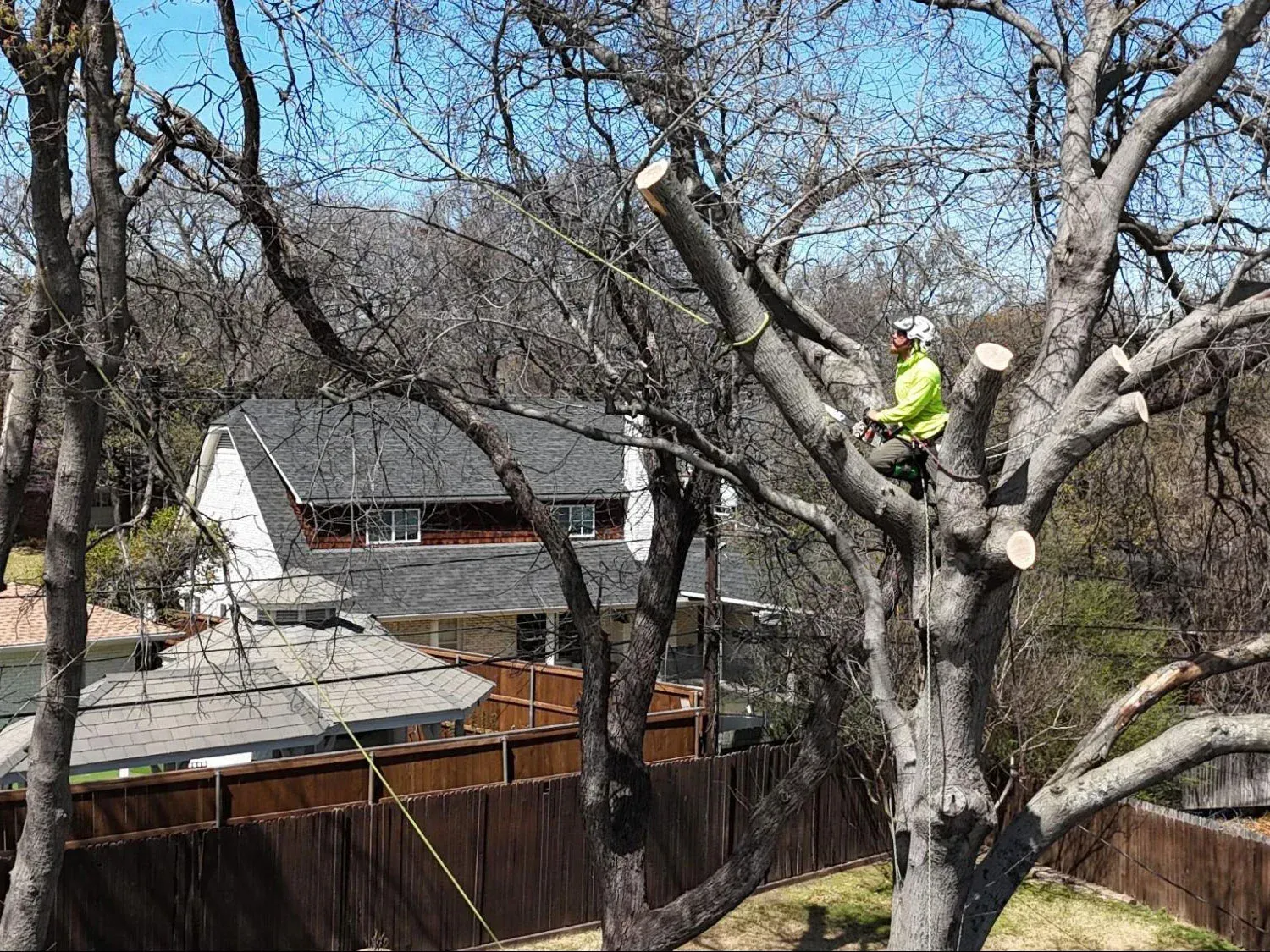
Step 3 — Installation Branch Boss arborists access the canopy using professional climbing techniques and rigging — never ladders on structural trees. For static systems, anchor bolts or threaded rods are installed through the stems and cables are tensioned to bring weak unions into proper alignment. For dynamic systems, cables are wrapped with protective anti-abrasion sleeves and secured without drilling where possible.
Step 4 — Post-installation verification and follow-up Tension is verified immediately after installation. A written follow-up schedule is provided — when the next inspection is recommended and what to watch for between professional visits.
Signs Your North Texas Tree May Need Cabling Before Storm Season
Walk your property and look for these indicators before March arrives:
Structural warning signs:
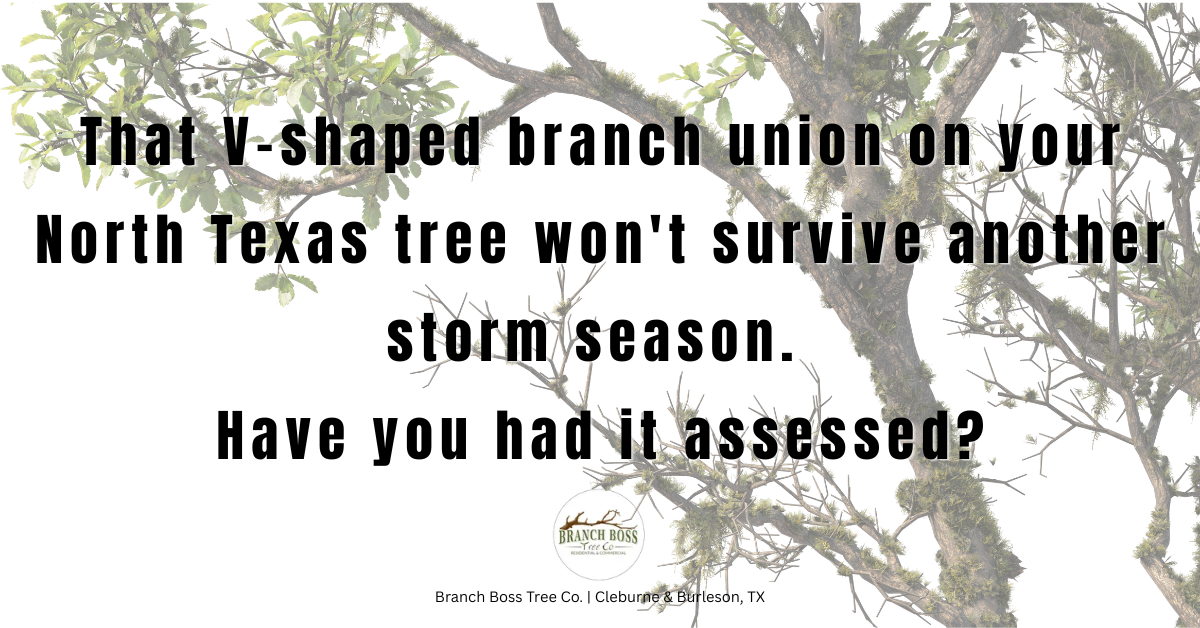
- V-shaped unions — narrow tight crotches where two trunks or major branches meet. Compare to U-shaped unions which are structurally sound — V shapes are the highest-risk configuration in North Texas
- Included bark — bark folded inside a union rather than solid wood. Run your finger along the union — if you feel a seam of bark rather than a smooth wood surface, that union is significantly weaker than it appears
- Co-dominant stems — two or more equally heavy trunks competing for vertical dominance. Both push outward under wind load rather than providing mutual support
Damage and decay warning signs:
- Vertical splits or cracks in the trunk or between major limbs — previous storm damage that has left the tree structurally compromised
- Fungal growth at the base or on the trunk — mushrooms or conks indicating internal decay that may change the cabling recommendation to removal
- Previous limb loss — a tree that dropped a major branch in a previous storm has compounding structural stress in the remaining structure
Growth and position warning signs:
- Significant or new lean — particularly with soil heaving on the opposite side indicating root system failure
- Horizontal limbs extending well beyond the canopy footprint — overextended limbs with high end-weight relative to attachment point diameter
Branch Boss: Tree Cabling and Bracing Throughout Cleburne, Burleson, and North Texas
A structurally compromised tree doesn't have to mean a removed tree. For the right candidate, cabling and bracing is a long-term investment in a tree that provides shade, privacy, and property value — and in North Texas storm season, it's an investment that protects the property around it too.
Branch Boss provides ISA certified tree cabling and bracing assessments and installations throughout Cleburne, Burleson, Granbury, and surrounding North Texas communities.
Here's what you get with every Branch Boss cabling service:
| What We Offer | What It Means for You |
|---|---|
| ISA Certified Arborist assessment | Cabling is recommended only when it's genuinely the right solution — we tell you when removal is the better call |
| ANSI A300 compliant installation | Correct hardware, correct placement, correct tension — no shortcuts |
| Static and dynamic system options | Right system for your tree's specific structural needs |
| Written maintenance schedule | You know exactly when the next inspection is due and what to monitor |
| Fully insured crew | High canopy work with climbing equipment — liability and worker's comp protects your property |
| Integrated service | Cabling combined with crown reduction pruning when both are needed |
Don't let storm season be the thing that tells you your tree needed cabling last winter. Contact Branch Boss today for your pre-storm cabling assessment in Cleburne, Burleson, and surrounding North Texas communities.
Schedule Your Tree Cabling Assessment →
Read: Storm Season Prep for North Texas Trees →
Don’t wait for the next storm to test your trees.
👉 Worried about a tree near your roof, driveway, or power lines?
Contact Branch Boss Tree Co. today to schedule your summer tree assessment and get expert trimming
that protects your property and peace of mind.
Call us today at
817-487-8448 to let us handle your tree and tree stump removal needs with professionalism and care.