Signs Your North Texas Trees Are Heat-Stressed This Summer — And What to Do About It
If your trees are looking off this summer — leaves scorching at the edges, canopy thinner than last year, a branch or two that stopped leafing out entirely — you're not imagining it. North Texas summers are genuinely hard on trees, and 2024's pattern of late spring storms followed by rapid heat onset has left many Cleburne and Burleson trees entering the hottest months already depleted. The difference between a tree that recovers and one that becomes a hazard removal by fall often comes down to whether the homeowner recognized the stress signals early and responded correctly. Branch Boss serves trees throughout Cleburne, Burleson, and surrounding North Texas — this guide covers what heat stress looks like, how serious it is, and exactly what to do about it.
Why Summer Is the Hardest Season for North Texas Trees
Spring storms get the attention — wind damage, broken limbs, flooding. But summer quietly does more cumulative damage to North Texas tree populations than any other season, for reasons that compound each other:
Extreme heat and drought stress When temperatures exceed 95°F — a regular occurrence in Cleburne and Burleson from June through September — trees close their stomata to prevent water loss. This survival response also stops photosynthesis, cutting off the tree's ability to produce energy. A tree that can't photosynthesize can't build reserves, can't defend against pests, and can't heal from damage.
Clay soil moisture loss North Texas clay soil holds moisture well when hydrated — but during drought conditions it dries, contracts, and cracks. Those cracks physically shear off the fine feeder roots that do the actual work of water absorption. A tree whose feeder roots have been torn by cracking clay is water-stressed even if there's moisture deeper in the profile it can't access.
Compounding spring storm damage Trees that entered summer with broken limbs, bark damage, or root disturbance from spring storms are starting the hot season with depleted energy reserves. Stress compounds — a tree managing storm damage has less capacity to handle drought stress simultaneously.
Secondary pest and disease vulnerability Stressed trees emit chemical signals that attract opportunistic insects and pathogens. Hypoxylon canker, bark beetles, webworms, and boring insects all preferentially target trees that are already weakened — which is why summer heat stress so frequently leads to pest and disease discoveries that appear to come out of nowhere.
7 Signs Your Tree Is Heat-Stressed Right Now
Walk your property and check for these indicators — early identification is what makes the difference between a tree that recovers and one that doesn't:
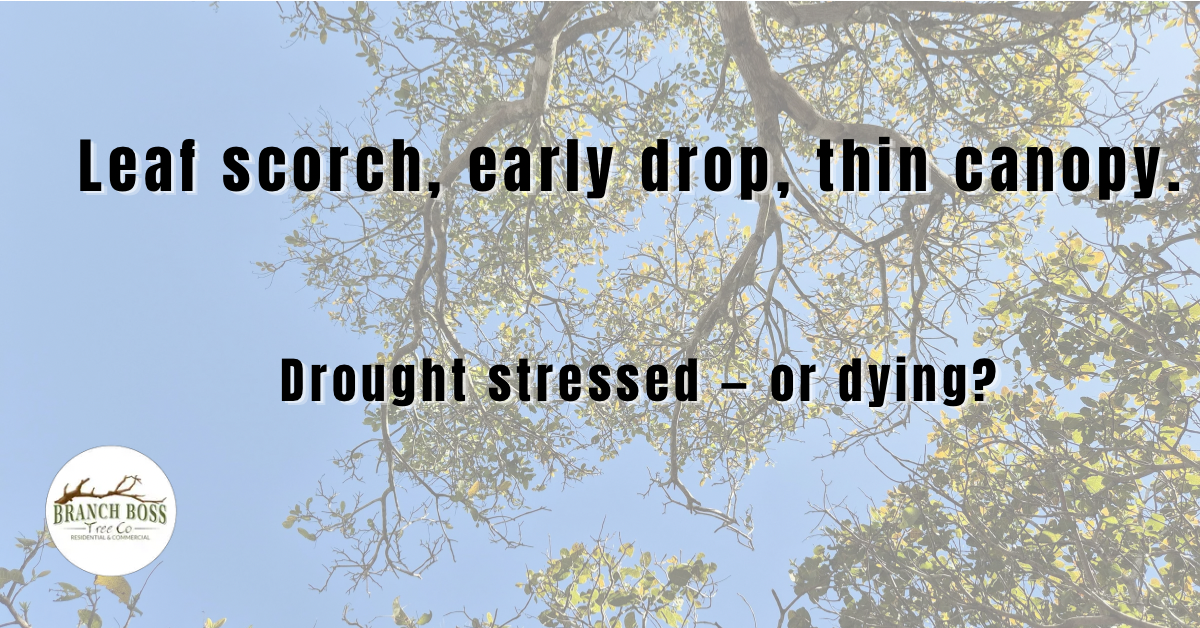
1. Leaf scorch Leaves turning yellow or brown starting at the outer edges and progressing inward — particularly on south and west-facing exposures that receive the most direct afternoon sun. The brown tissue is leaf cells that died from dehydration faster than the roots could replace the moisture. This is the most common and most visible summer stress indicator in North Texas.
2. Early leaf drop Trees shedding green or scorched leaves mid-summer — particularly from the interior of the canopy or lower branches first. This is an active survival mechanism: the tree is reducing its total leaf surface area to lower water demand. It looks alarming but it's the tree making a rational trade-off. The question is whether the stress driving it can be relieved.
3. Wilting or drooping Leaves hanging limp or curling even in the early morning before peak heat arrives. Morning wilting is more significant than afternoon wilting — a tree that recovers overnight is managing the stress. A tree that's still wilted at 7am hasn't recovered.
4. Bark cracking and sunscald Deep vertical cracks or peeling patches — particularly on the south and west-facing sides of the trunk. Direct sun on bark that's lost its canopy shade can kill the living cambium layer just beneath, creating dead patches that become entry points for disease.
5. Branch dieback Dead branch tips or entire limbs losing leaves while the rest of the tree remains green. The tree is directing limited water and energy to its core structure and sacrificing outer limbs it can't sustain. The extent of dieback indicates how far the stress has progressed.
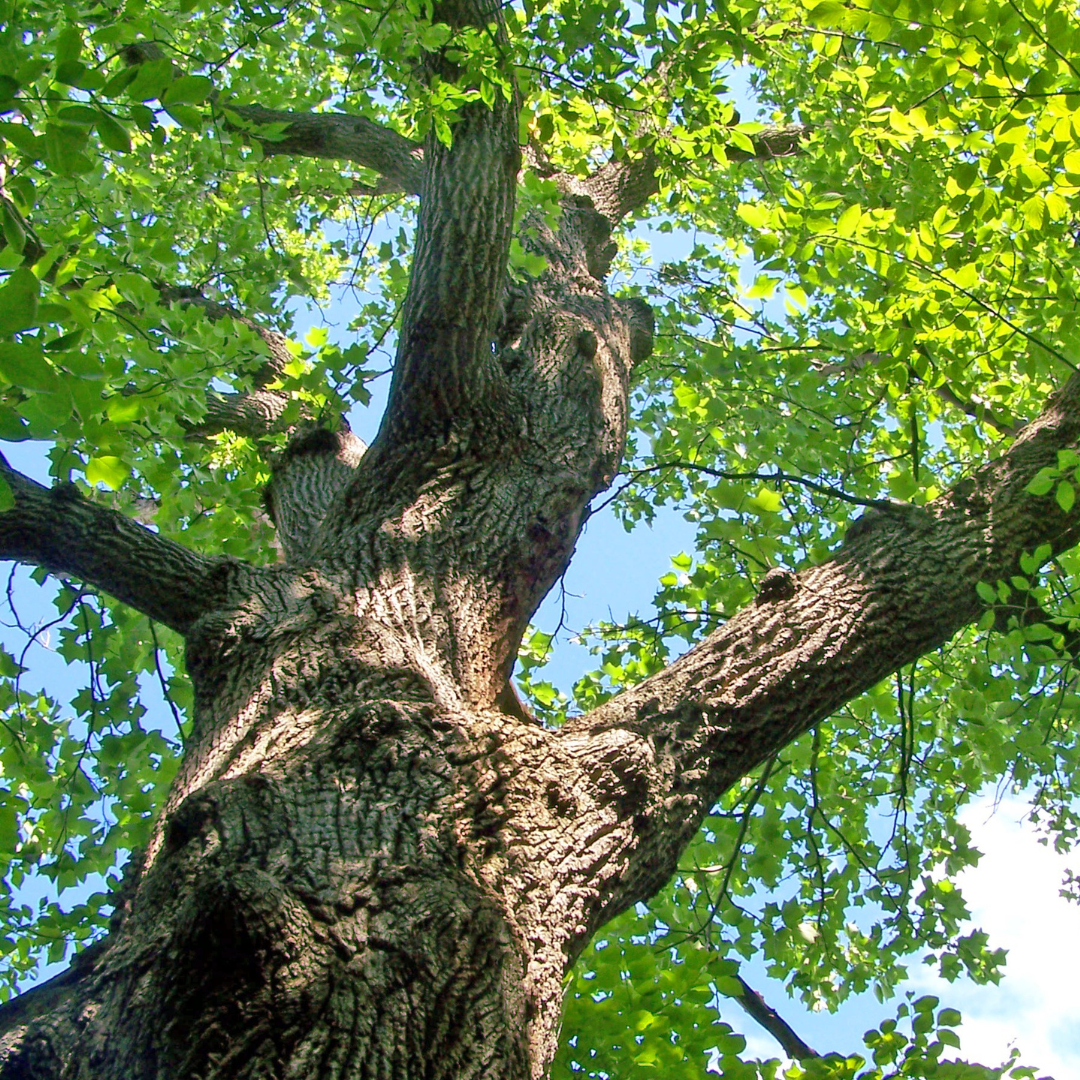
6. Thinning canopy Noticeably sparser foliage than in previous summers — you can see more sky through the canopy. Heat disrupts cell expansion, producing smaller-than-normal leaves that create less dense coverage. A tree that's been thinning progressively over two or three summers is in ongoing decline, not just responding to this year's heat.
7. Fungal growth at the base Mushrooms or shelf-like conks appearing at the root flare or on the lower trunk. Heat stress itself doesn't cause fungal growth — but it lowers the tree's ability to resist opportunistic pathogens, allowing root rot or internal decay that was already developing to accelerate and become visible. This sign requires professional assessment, not just a watering response.
The Difference Between Heat Stress and a Dying Tree
This is the distinction that determines whether you need a hose or an arborist — and in some cases, whether you need a removal before a limb or the whole tree comes down on something:
The scratch test — the fastest diagnostic available: Use your thumbnail or a pocketknife to gently scratch a small area of bark on several twigs across different parts of the canopy. The tissue just beneath the bark tells the story:
- Bright green and moist — the tree is alive. Stress may be significant but the vascular system is functioning. Response and recovery are possible.
- Pale green or dull — alive but struggling. Intervention is warranted.
- Brown, dry, and brittle — that section has died. Test multiple locations moving from the tips toward the trunk to understand how far the dieback has progressed.
Leaf retention vs. leaf drop:
- Dropping leaves — the tree is stressed but still metabolically active enough to trigger the abscission process. This is actually a positive sign relative to the alternative.
- Dead leaves staying attached — a tree that can't trigger leaf drop has lost metabolic function. Leaves that remain on the tree through summer when they should have dropped indicate the tree's systems have shut down.
Structural red lines that indicate removal over intervention:
| Indicator | Why It Matters |
|---|---|
| V-shaped cracks into the heartwood | Structural failure risk — not a stress recovery situation |
| Fungal conks growing from the trunk | Internal decay that predates this summer's heat — years of progression, not a watering problem |
| Root heaving or sudden lean | Root system failure — the anchor is going, not just the canopy |
| More than 50% canopy dead | The energy production capacity to fuel recovery is gone |
| No dormant buds on branch tips | The tree has stopped growing — scratch multiple tips and confirm no green tissue anywhere |
The honest summary: A tree that's thin, scorched, and dropping leaves but passes the scratch test with green tissue throughout — that tree can often be brought back with consistent deep watering and time. A tree with structural decay indicators, root system failure, or more than half its canopy dead is a removal conversation, not a watering conversation. Branch Boss helps you know which situation you're actually in.
What Happens If You Ignore Summer Tree Stress
The cost of ignoring summer heat stress isn't usually visible immediately — it shows up months or years later in ways that are significantly more expensive than early intervention would have been:
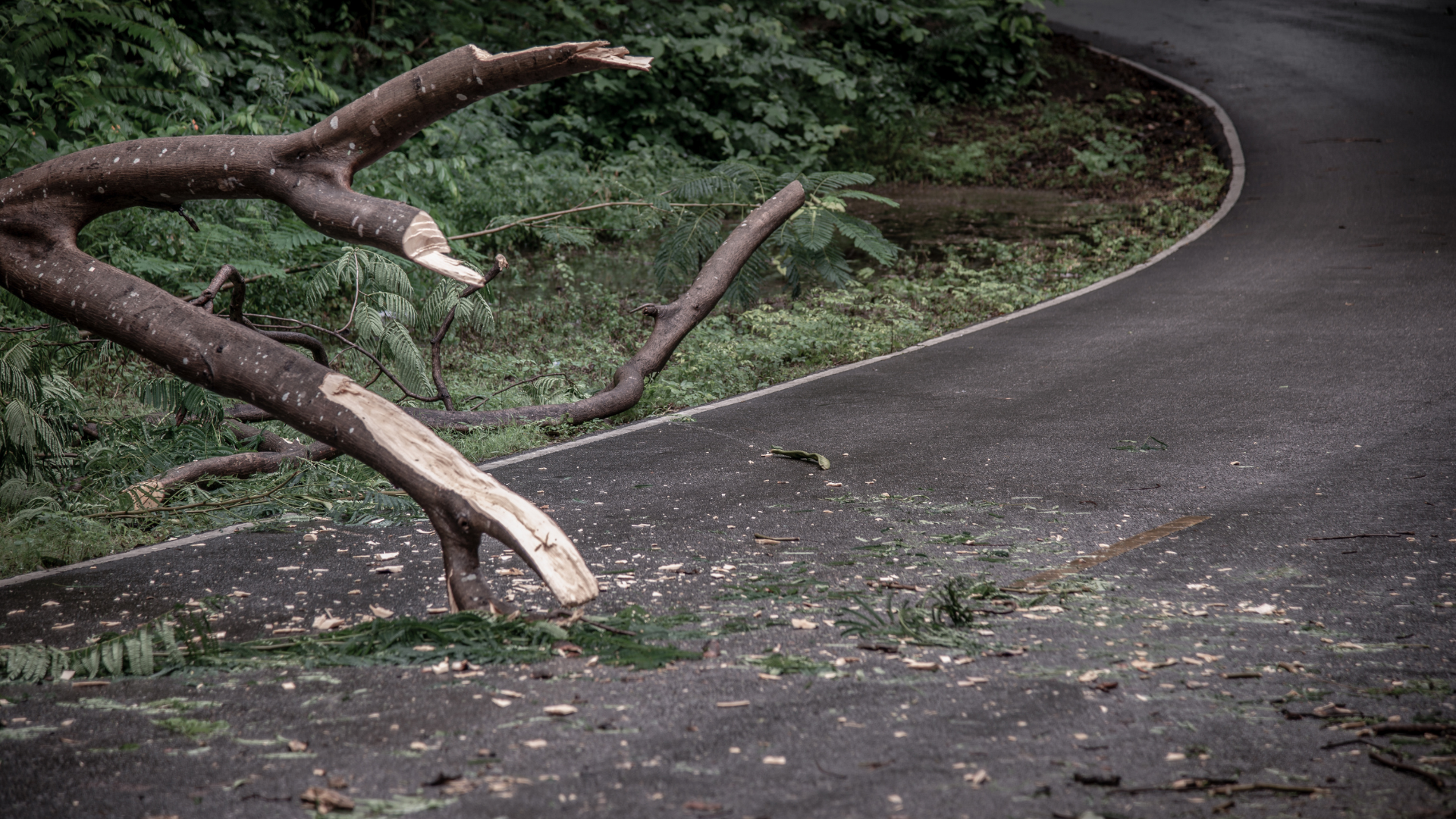
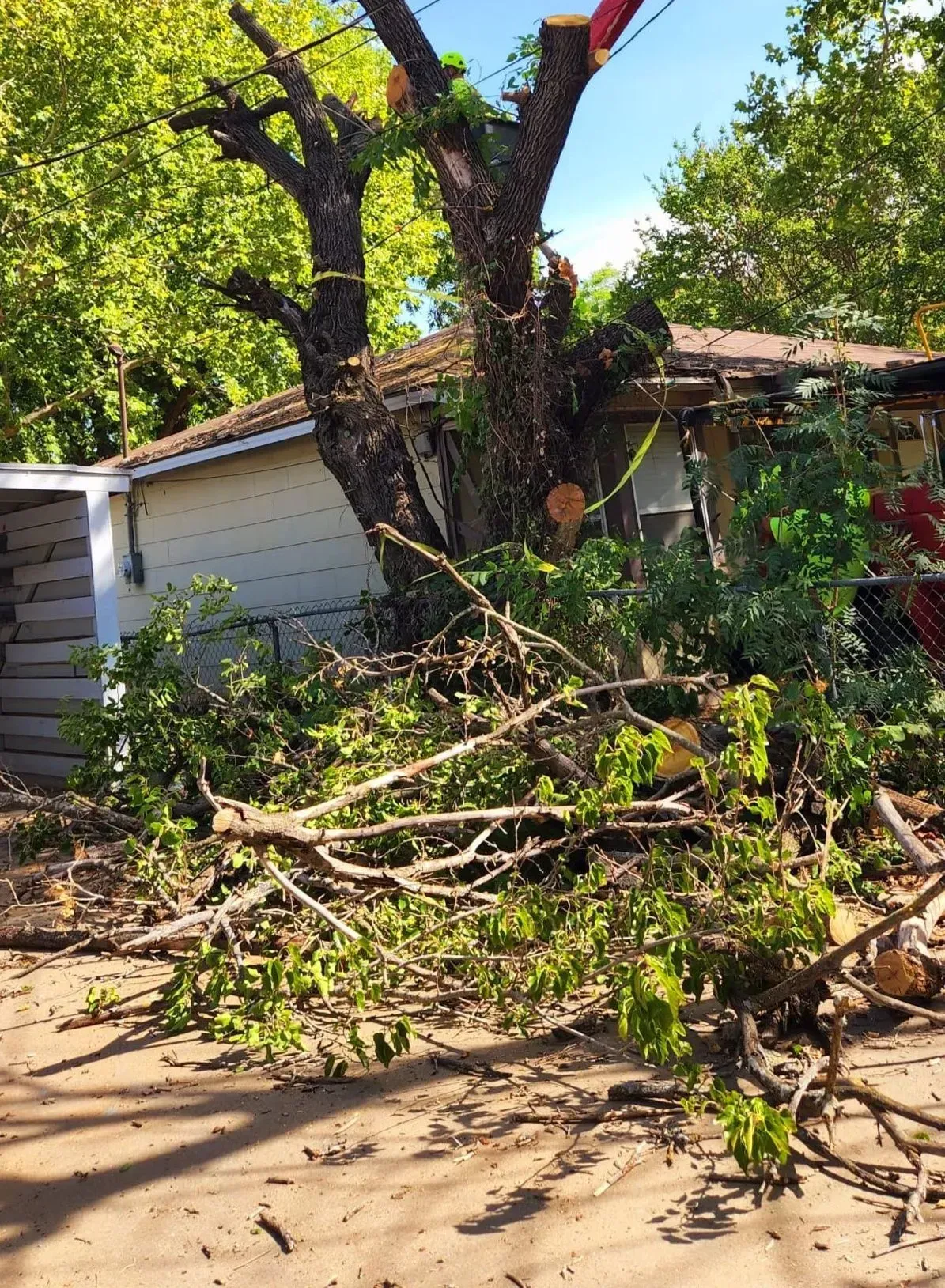
Sudden limb failure Stressed trees drop large limbs without warning — a survival mechanism to reduce overall water demand and weight load on a compromised root system. Dead or dying branches in Cleburne and Burleson's established neighborhoods don't fall in open fields. They fall on roofs, fences, vehicles, and people. Summer is peak season for limb failure events precisely because it's when stress is highest.
Root system collapse Drought kills feeder roots progressively — and opportunistic root rot fungi like Armillaria establish in root systems stressed by both drought and heat. Once more than 50% of the root system is damaged or decaying, the tree loses its structural anchor. A tree that looks marginal in August can become a toppling risk after the first significant fall rain saturates the already-compromised root zone.
Pest infestation that spreads Bark beetles, Ips engraver beetles, and boring insects target drought-stressed trees specifically because the tree's sap pressure — its primary defense against boring insects — drops when it's water-stressed. Once established in a stressed tree, these pests spread to adjacent trees. A single neglected stressed tree in an established Cleburne or Burleson neighborhood can become a source population for a broader infestation.
Disease cascade Hypoxylon canker — one of the most common summer disease findings on North Texas trees — establishes in stressed wood that the tree can no longer compartmentalize against. A stressed tree that's infected this summer may not show obvious disease symptoms until next spring — by which point the fungus has progressed significantly further into the wood.
The economics of delay: Deep watering and a summer assessment from Branch Boss costs a fraction of emergency removal after a limb failure or complete tree loss. The trees that generate the most expensive emergency calls are almost always the ones that showed stress signs the previous summer that nobody addressed.ion:
How to Support a Stressed Tree Through a North Texas Summer
These are the specific interventions that make a measurable difference for heat-stressed trees in clay soil during a North Texas summer:
1. Deep watering — the most important action The goal is to get water 8 to 12 inches deep into the root zone where it can actually be used — not surface moisture that evaporates before roots can access it.
The method:
- Use a soaker hose or garden hose on a slow trickle — approximately pencil-width flow
- Position at the drip line — the outer edge of the canopy where active feeder roots are concentrated
- Run for 2 to 4 hours per session — this is what it takes to penetrate North Texas clay to meaningful depth
- Frequency: once every 7 to 10 days for established trees during a heatwave; every 3 to 4 days for recently planted or younger trees
What doesn't work: Lawn sprinkler systems — they deliver water too quickly across too broad an area with not enough volume per location to penetrate clay effectively. Surface moisture evaporates before deep roots can access it.
Timing: Water at night or before 8am — this minimizes evaporation and ensures the tree enters peak afternoon heat fully hydrated.
2. Mulching — the soil thermostat A 3-inch layer of organic mulch (shredded bark or wood chips) in a wide ring around the tree reduces root zone temperature by up to 20°F compared to bare clay and dramatically slows moisture evaporation.
The donut rule: Leave 3 to 6 inches of space between the mulch and the trunk. Mulch piled against the bark keeps it chronically moist and creates rot conditions — the opposite of what you're trying to accomplish.
Extend the ring as wide as possible — ideally to the drip line or beyond. The more root zone covered, the more moisture retained.
3. Stop all fertilizer through August Fertilizer contains salts that pull moisture away from root tissue through osmosis — the opposite of what a drought-stressed tree needs. It also stimulates new growth that the tree doesn't have the energy or water to support. Hold all fertilizer applications until fall or early spring when the tree is no longer in active stress.
4. Prune deadwood only Remove branches that are completely dead, visibly diseased, or hanging as hazards. Do not thin the canopy, reduce the crown, or perform structural pruning during peak summer stress. Every green leaf is producing energy the tree needs — removing living canopy during heat stress removes the tree's ability to recover. For oak species specifically — the Oak Wilt beetle activity window extends through summer, so any pruning cuts on oaks should be sealed immediately regardless of the time of year.
5. Monitor clay soil cracking When North Texas clay dries severely enough to crack visibly — gaps between the soil and the root flare, or large cracks in the lawn surface — the cracking is physically shearing feeder roots. If you see this, water immediately and thoroughly. Dry clay cracking is a more urgent signal than leaf scorch because the physical root damage it causes isn't reversible.
When to Call Branch Boss — And Why Timing Matters
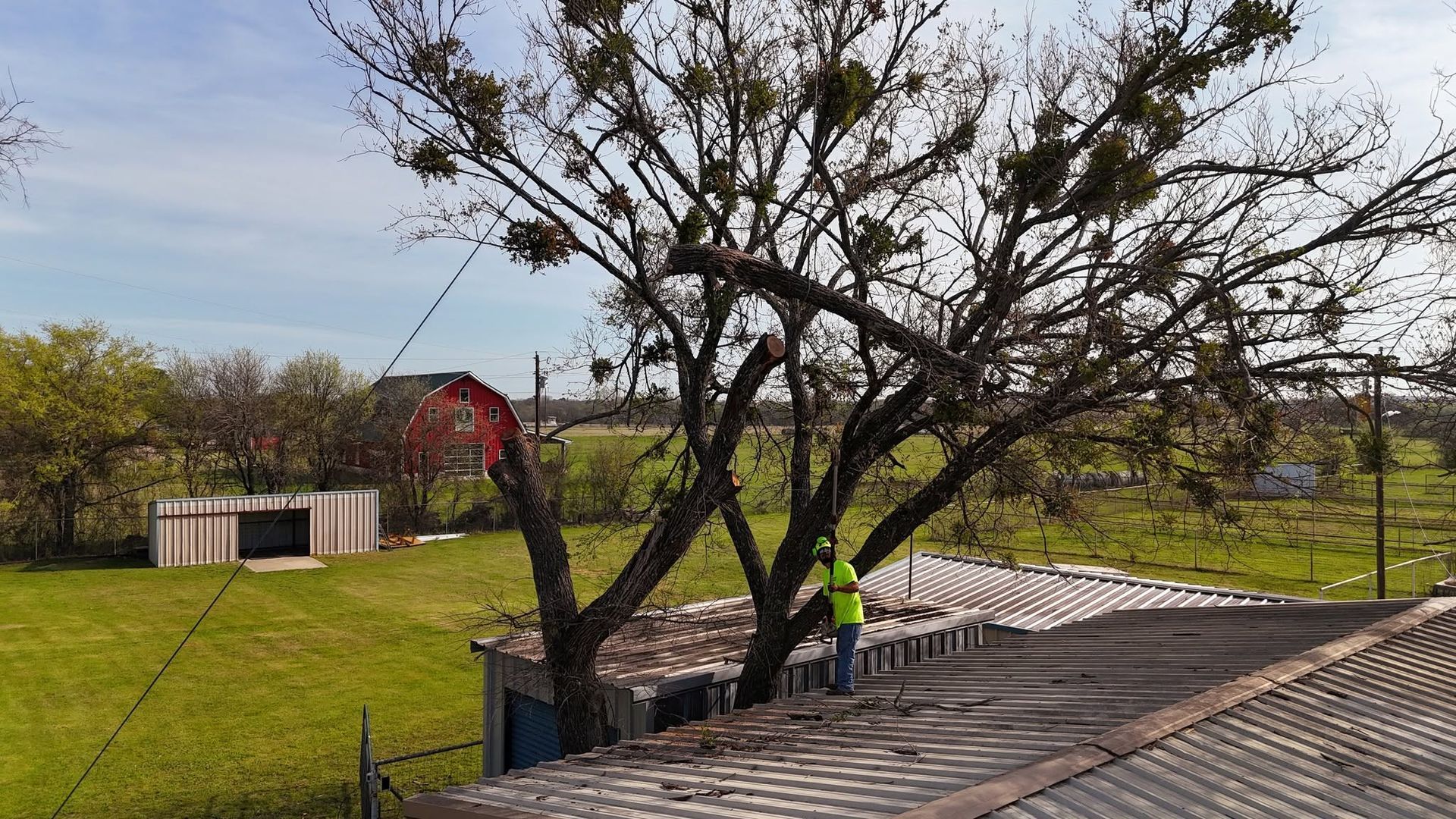
Summer tree stress is one of those situations where the cost of waiting is genuinely higher than the cost of acting. A Branch Boss arborist assessment in July or August identifies what's recoverable, what needs structural monitoring, and what represents a hazard that should be addressed before fall storm season arrives.
Call Branch Boss immediately for:
- Any tree showing fungal growth at the base or on the trunk — this requires professional assessment before the situation is understood
- Sudden significant lean or soil heaving around the root zone
- Large dead limbs hanging over structures, vehicles, or pathways
- Any tree that fails the scratch test throughout more than half of its canopy
Schedule a summer assessment for:
- Trees showing two or more of the seven heat stress signs
- Trees that were storm-damaged in spring and are now showing additional stress
- Any oak showing canopy thinning — the combination of heat stress and Oak Wilt risk warrants professional eyes
- Trees you're uncertain about — if you're not sure whether it's serious, it's worth finding out before fall
Why timing matters in North Texas specifically: Fall storm season arrives quickly after summer. A tree that's structurally compromised by summer stress is at its most vulnerable to wind and storm loading in the first fall storms. The arborist assessment that identifies a hazard limb in August allows it to be addressed on a scheduled basis — the same limb found after a September storm is an emergency removal at emergency pricing.
Branch Boss provides certified arborist tree health assessments throughout Cleburne, Burleson, and surrounding North Texas communities. Contact us before the stress becomes structural damage.
Schedule Your Summer Tree Assessment →
Read: How North Texas Weather Weakens Trees in Spring →
Read: Is Your North Texas Tree Dead or Just Dormant? →
Don’t wait for the next storm to test your trees.
👉 Worried about a tree near your roof, driveway, or power lines?
Contact Branch Boss Tree Co. today to schedule your summer tree assessment and get expert trimming
that protects your property and peace of mind.
Call us today at
817-487-8448 to let us handle your tree and tree stump removal needs with professionalism and care.