How North Texas Weather Weakens Trees During Spring
Most North Texas homeowners breathe a sigh of relief when spring arrives — winter is over, trees are budding, and everything looks healthy. But spring is actually the most dangerous season for trees in the Granbury and Burleson area, not the safest. The damage winter left behind doesn't disappear when temperatures rise — it compounds. False spring cycles, saturated clay soil, rapid temperature swings, and sudden pest pressure all converge in a window of just a few weeks. By the time a tree shows visible signs of failure, the internal damage has often been building for months. Branch Boss helps North Texas homeowners understand what's actually happening in their trees this spring — and what to do before storm season makes it a crisis.
Why Spring Is Actually the Most Stressful Season for North Texas Trees
This surprises most homeowners — but spring is harder on North Texas trees than winter in many ways. Here's why:
| Spring Stressor | What's Happening to Your Trees |
|---|---|
| Cumulative winter damage | North Texas winters bring rapid freezes, dry winds, and low humidity that dehydrate trees and leave structural weaknesses before spring even starts |
| False spring cycles | Unseasonably warm early spring days force trees to break dormancy too soon — a subsequent cold snap kills new buds and wastes the tree's stored energy reserves |
| Sudden resource demand | As leaves unfurl, trees require massive amounts of water and nutrients to support new growth — if winter was dry, the tree is already dehydrated going into this demand surge |
| Pest and disease vulnerability | Weakened trees are significantly more susceptible to spring diseases and insects — including oak wilt, which spreads rapidly when trees are pruned improperly during this period |
The critical thing to understand is that spring growth doesn't mean spring recovery. A tree can be pushing out new leaves while simultaneously failing at the root level, the trunk, or both.
How North Texas Winter Weakens Root Systems Before Spring Arrives
The root damage that happens over winter in Granbury and Burleson is largely invisible — and that's exactly what makes it dangerous heading into storm season.
Clay Soil Freeze-Thaw Cycles North Texas's dominant clay soil holds moisture. When temperatures drop, that water freezes, expands, and exerts severe pressure — tearing fine feeder roots and loosening the soil around them. When it thaws, the soil contracts and settles, often leaving gaps that expose roots to air, causing them to dry out or freeze again in the next cold snap. This cycle repeats throughout the winter, compounding damage with each freeze event.
Compaction and Structural Weakness The cyclical expansion and contraction break down soil structure, leading to severe compaction. Compacted clay lacks the space for water and air that root systems need to function — and reduces the soil strength required to hold trees steady in high-wind events. A tree with compromised root anchorage in compacted clay soil is significantly more vulnerable to uprooting during spring storms.
Root Oxygen Depletion Compacted, saturated clay soils prevent oxygen from reaching the root zone. Roots need oxygen for respiration and nutrient absorption — without it they become stressed and cannot efficiently absorb water, leading to poor spring growth performance even when conditions on the surface appear favorable.
The Hidden Damage Spring Rain Does to Already-Stressed Trees
Spring rain in North Texas feels like relief — but for trees already stressed by winter, it creates a second wave of risk that compounds the first.
| Hidden Spring Rain Danger | What It Means for Your Trees |
|---|---|
| Reduced soil anchorage | Saturated clay soils offer significantly less stability — wind can topple trees that would have held in dry conditions |
| Stressed root failure | Trees that survived winter drought or harsh freezes are already fragile — waterlogged conditions push already-compromised root systems past their limit |
| Delayed decline | North Texas trees — especially live oaks — often display delayed decline after winter storms, appearing stable while already critically stressed internally |
| Root disease acceleration | Prolonged wetness encourages root rot, weakening the tree's base and dramatically shortening its overall lifespan |
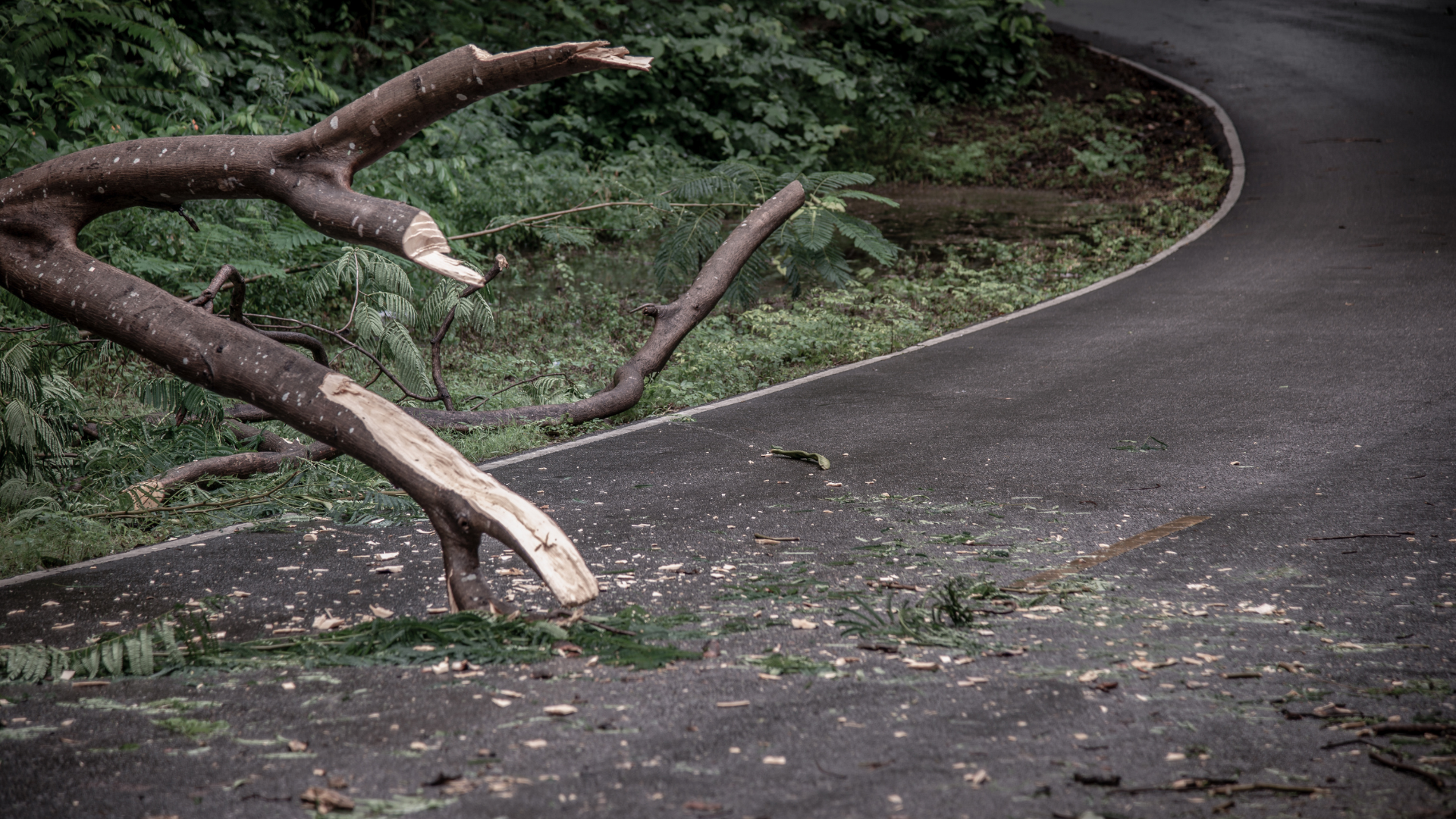
The combination of winter root damage and spring soil saturation creates the conditions for the most dangerous tree failures of the year — and most of them happen during the first significant spring storm, not during winter itself.
How Rapid Temperature Swings Crack Bark and Split Branches
North Texas springs are defined by dramatic day-to-night temperature swings — and those swings cause physical damage inside the tree that isn't visible from the outside until it's too late.
The Freeze-Thaw Bark Cycle A warm afternoon can cause a tree to expand or begin breaking dormancy, but when temperatures plummet overnight, the bark cools and contracts faster than the interior wood. This creates vertical fissures — frost cracks — that form entry points for pests and fungal pathogens.
Sunscald Damage The south and southwest sides of a tree are most at risk — where the winter and spring sun hits most directly, creating the most significant temperature differential between sun-exposed bark and shaded interior wood. Sunscald damage appears as discolored, cracked, or peeling bark on the sun-facing side of the trunk.
Who Is Most Vulnerable Young trees, thin-barked species like maples, cherries, and peach trees, and trees with existing small structural weaknesses are the most likely to suffer spring bark damage. In the Granbury and Burleson area, these are also the trees most frequently overlooked during spring property walks because they often still appear to be leafing out normally while cracking internally.
Signs a Spring-Stressed Tree Is Heading Toward Failure
Knowing what to look for before a tree fails is the difference between a scheduled removal and an emergency call. Here's a practical identification guide for North Texas homeowners:
Leaf and Bloom Symptoms
- Premature shedding — leaves dropping in spring or early summer before heat stress arrives
- Early discoloration — yellowing, browning, or spotting that appears before summer heat
- Delayed or uneven growth — new growth that's sluggish or inconsistent compared to surrounding trees of the same species
- Spring wilting — leaves wilting despite adequate rain, indicating root rot or vascular disease
Bark and Trunk Changes
- Vertical cracks and splits — appearing in the bark or trunk under extreme structural stress
- Cankers and oozing — sunken areas in the bark or dark sap oozing from the trunk
- Shedding bark — peeling away unexpectedly, often revealing decay underneath
- Sawdust or small exit holes — fine frass at the base indicates boring insects actively working inside the trunk
Structure and Stability
- New or increasing lean — a tree that has suddenly shifted indicates root system failure
- Soil cracking near the trunk — ground movement near the base signals root stress or failure
- Exposed or damaged roots — visible roots that appear damaged, rotted, or disconnected
Fungal Growth and Pests
- Mushrooms or conks at the base or trunk — almost always signal internal decay that compromises structural strength
- Excessive sucker growth — basal or branch suckers in unusual volume indicate the tree is under severe stress and attempting to survive
Why Trees That Look Healthy in Spring Can Still Be Storm Hazards
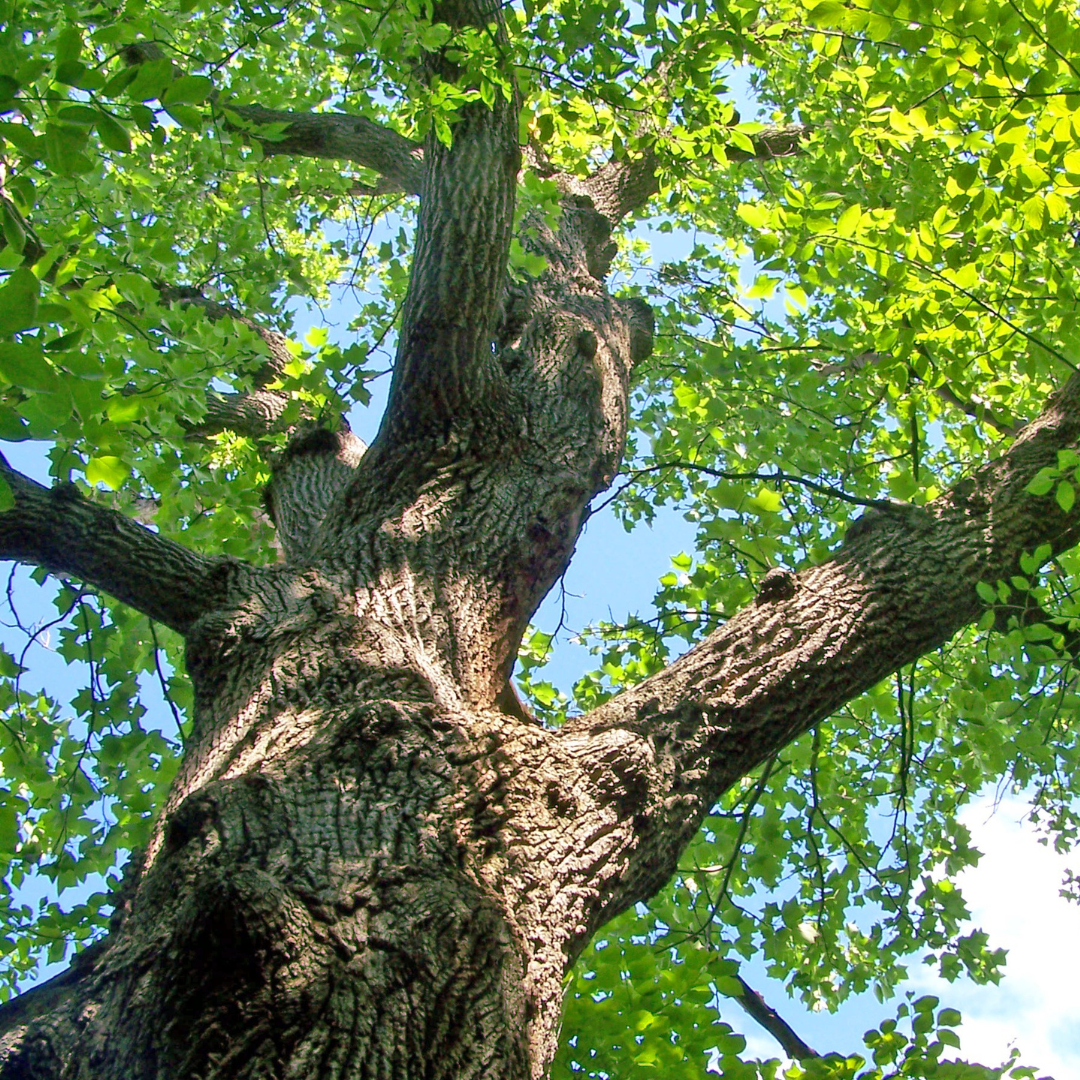
This is the most important thing Branch Boss wants Granbury and Burleson homeowners to understand: a full green canopy does not mean a safe tree. Here's why visually healthy trees can still be structural failures waiting to happen:
| Hidden Hazard | What's Actually Wrong | Spring Risk Factor |
|---|---|---|
| Internal decay | Tree is decaying from the inside out — often from previous wounds, pests, or improper pruning — while appearing full and green externally | High winds and heavy spring rains easily snap hollow or softened trunks |
| Included bark (V-shaped unions) | Bark grows into a joint rather than forming a strong connection — creating a built-in crack at the fork | As spring foliage adds weight, the increased load combined with wind splits these co-dominant stems |
| Shallow or compromised roots | Roots remain shallow due to compacted soil or construction disturbance — insufficient anchorage regardless of canopy appearance | Spring clay saturation eliminates remaining anchorage — entire tree uproots in wind events |
| Top-heavy spring growth | A surge of sap and new leaves creates an exceptionally heavy canopy | If the trunk or roots are already compromised, this added weight pushes the tree past its breaking point |
| Delayed failure | Trees that survived previous storms may have internal cracks that held in low winds | Collapses during the next moderate storm — often weeks or months after the original damage event |
Quick property walk checklist before storm season:
- Look for mushrooms at the base — almost always indicate root rot
- Check branch unions for V-shapes rather than U-shapes — narrow forks are structural weak points
- Note any recent construction or soil disturbance near large trees — root cutting is a common hidden hazard
- Flag any trees showing two or more of the leaf, bark, or stability signs listed above
What Branch Boss Recommends for Spring Tree Care in North Texas
Spring is the most important window for getting ahead of storm season — and the one most homeowners let pass without action. Here's what Branch Boss recommends before peak storm season arrives in Granbury, Burleson, and surrounding North Texas communities:
Professional Spring Assessment A certified arborist assessment goes far beyond what a property walk reveals. Branch Boss evaluates structural integrity, root health, internal decay indicators, and species-specific risk factors that are invisible from the surface — and provides a clear priority list of which trees need action before storm season.
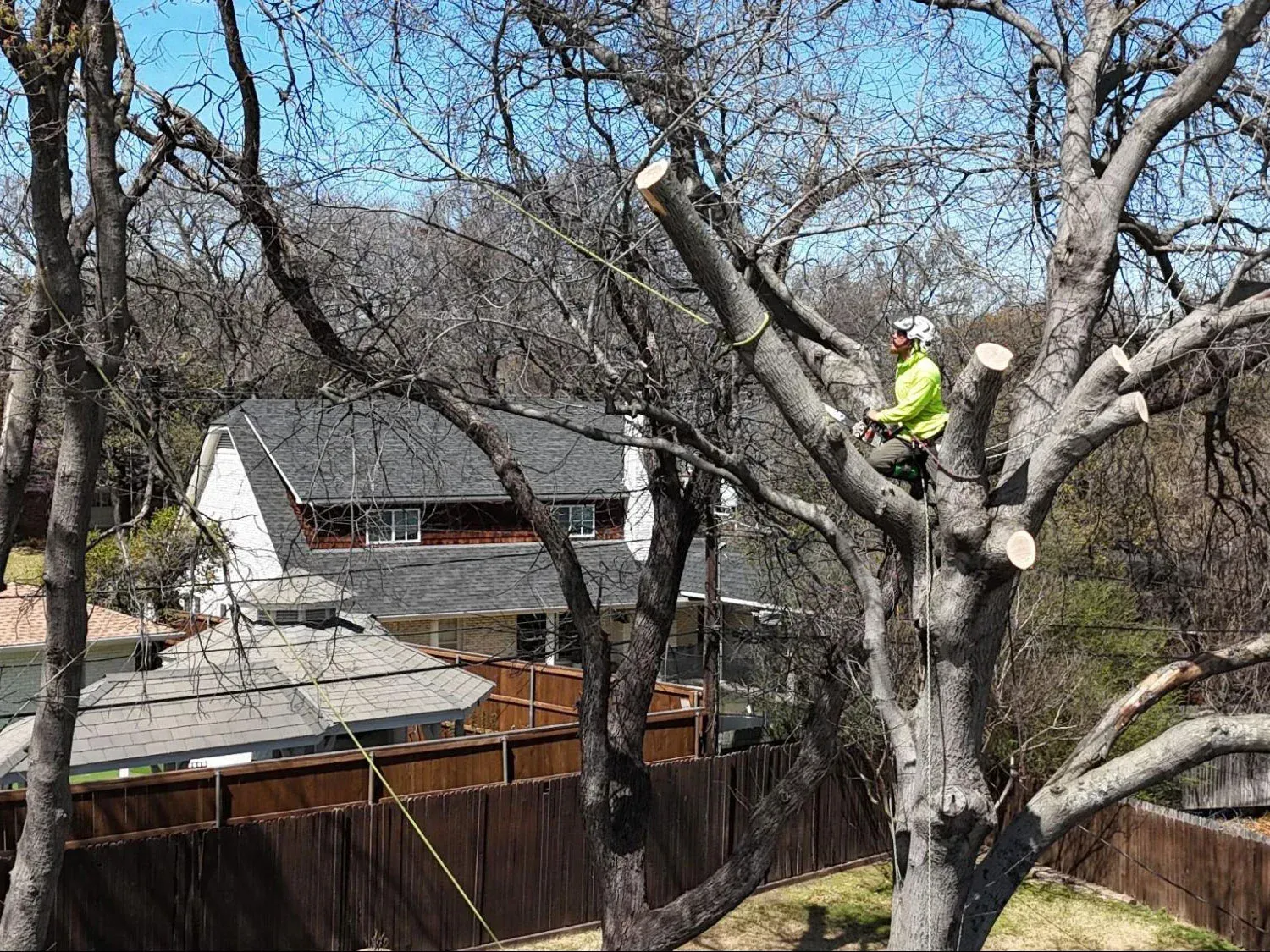
Strategic Pruning Removing dead, diseased, and structurally compromised branches before storm season reduces wind resistance, eliminates projectile hazards, and — critically — allows wounds to heal before the heavy rain and high winds of late spring arrive. Pruning after a storm is more dangerous, more expensive, and more disruptive than scheduling it now.
Cabling and Bracing For trees with included bark, co-dominant stems, or valuable mature trees with structural concerns, supplemental support systems can extend the tree's life safely. Cabling isn't a last resort — it's a proactive investment in trees that are worth preserving.
Soil Aeration Breaking up North Texas clay compaction around the root zone improves oxygen flow, water absorption, and root anchorage. For trees already stressed by winter freeze-thaw damage, soil aeration in spring is one of the highest-impact interventions available before storm season peaks.
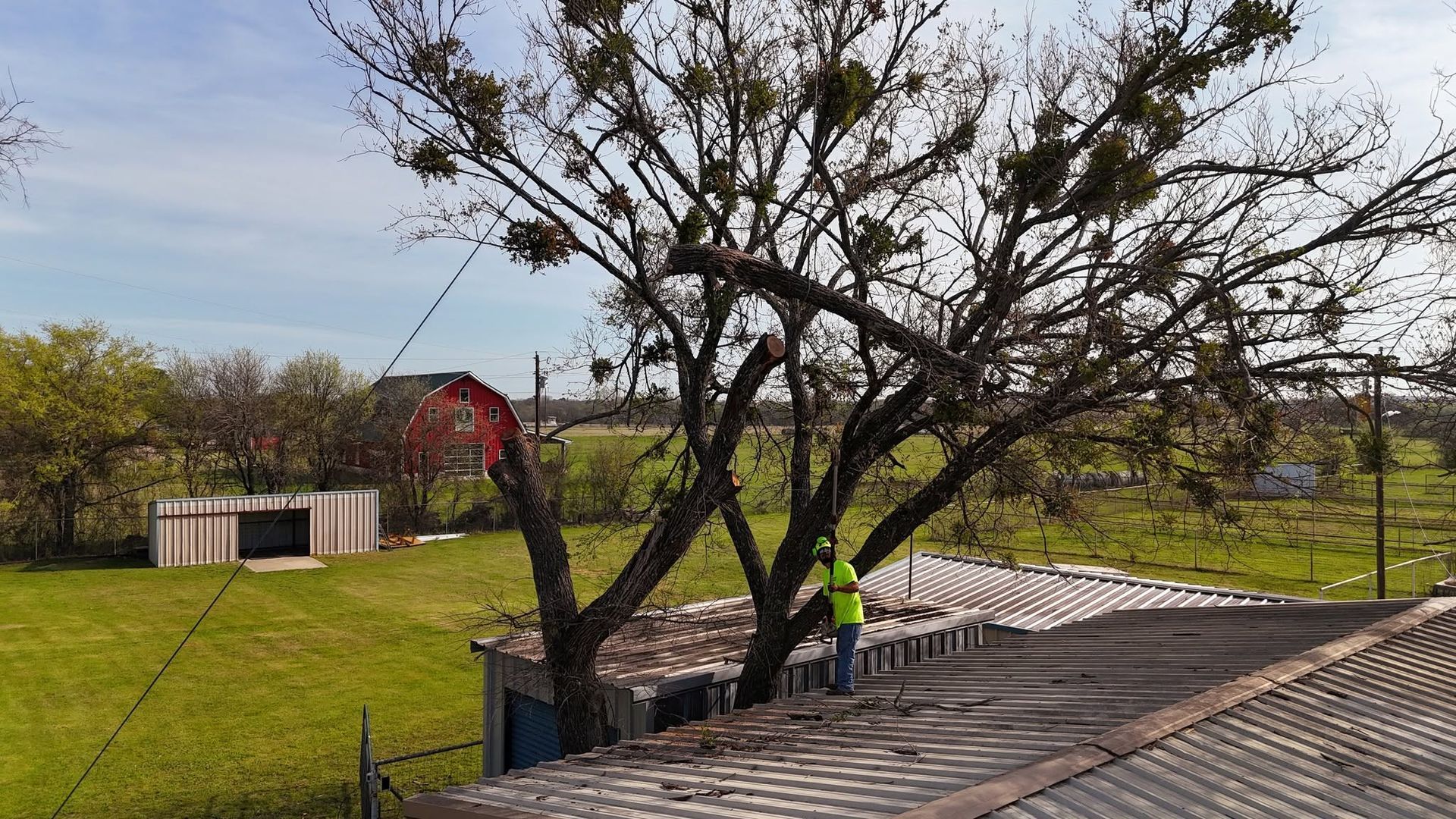
Hazardous Tree Removal Some trees are past the point of intervention — and the most responsible thing Branch Boss can do is tell you that honestly. A hazardous tree removal now costs a fraction of what emergency storm cleanup, roof repair, or liability costs after a failure event.
Don't Let Spring Fool You — Book Your Assessment Before Storm Season Peaks
The trees that cause the most damage during North Texas spring storms aren't the ones that look sick. They're the ones that looked fine in April. By the time a stressed tree shows visible failure signs, the window for proactive action has often already closed.
Branch Boss serves Granbury, Burleson, Cleburne, and surrounding North Texas communities with professional spring tree assessments, pruning, cabling, and hazardous tree removal. Book your assessment before storm season peaks — while scheduling is still available.
Schedule Your Spring Tree Assessment →
Don’t wait for the next storm to test your trees.
👉 Worried about a tree near your roof, driveway, or power lines?
Contact Branch Boss Tree Co. today to schedule your summer tree assessment and get expert trimming
that protects your property and peace of mind.
Call us today at
817-487-8448 to let us handle your tree and tree stump removal needs with professionalism and care.