Tree Removal in Cleburne TX: What to Expect and How to Choose the Right Company
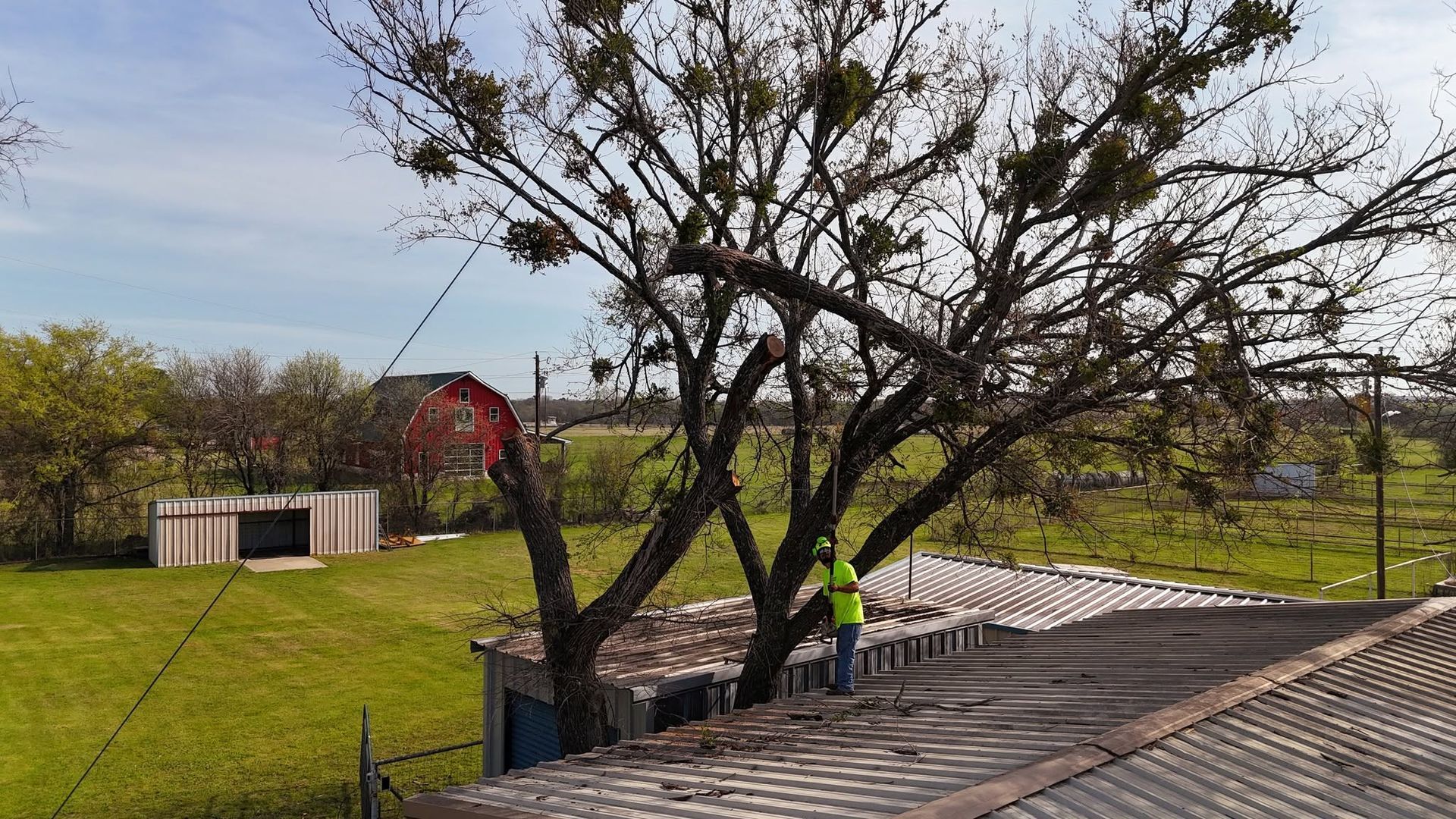
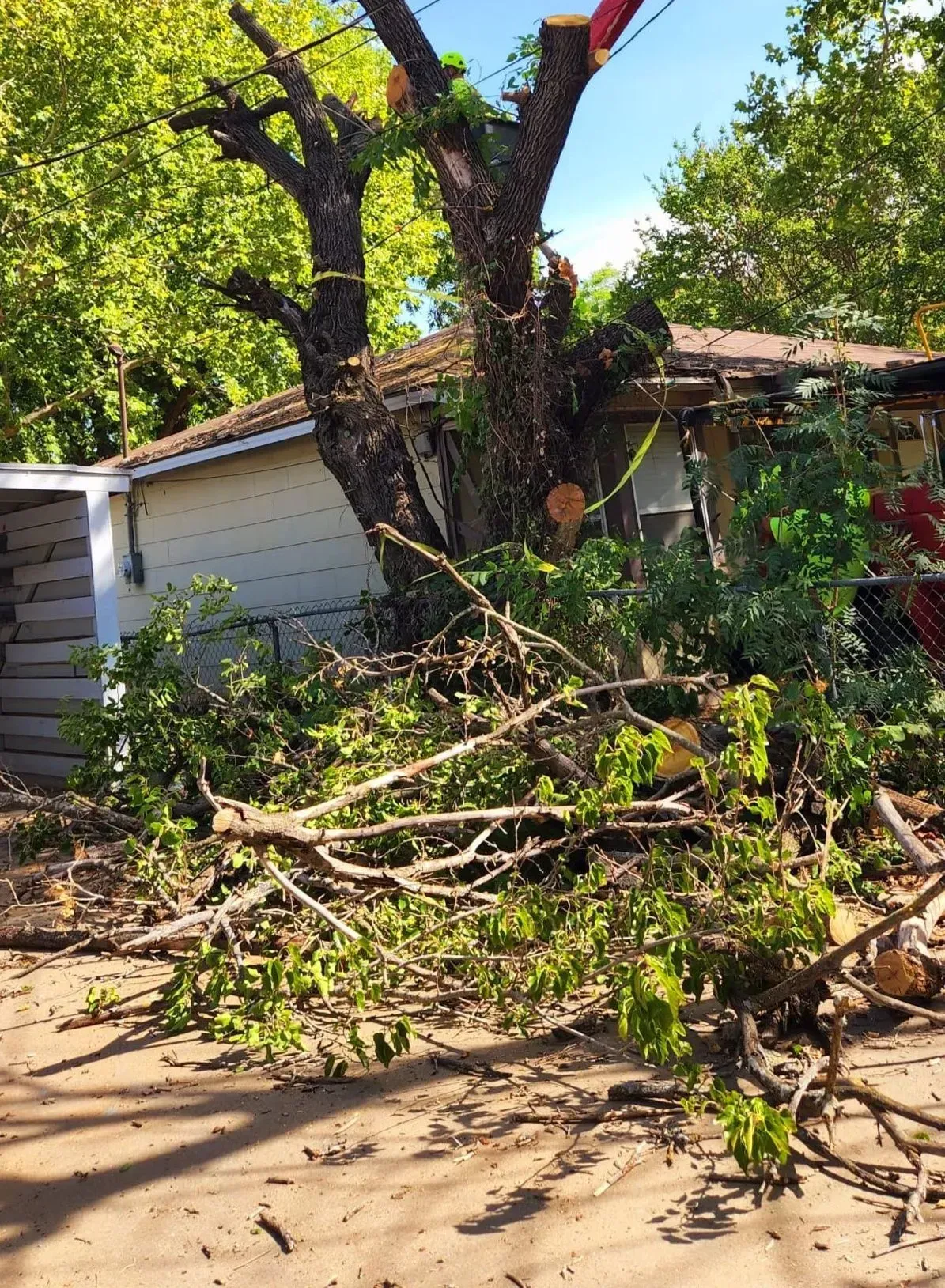
If you're searching for tree removal in Cleburne TX, you already know a tree needs to come down. What you probably don't know yet is how to choose the right company, what the process actually involves, what it should cost, and what the red flags look like when someone is cutting corners on a job that has real liability implications. Branch Boss serves Cleburne, Burleson, Granbury, and surrounding North Texas communities with ISA certified tree removal — and this guide gives you everything you need to make a confident, informed decision before you sign anything.
When Does a Tree Actually Need to Be Removed in Cleburne TX?
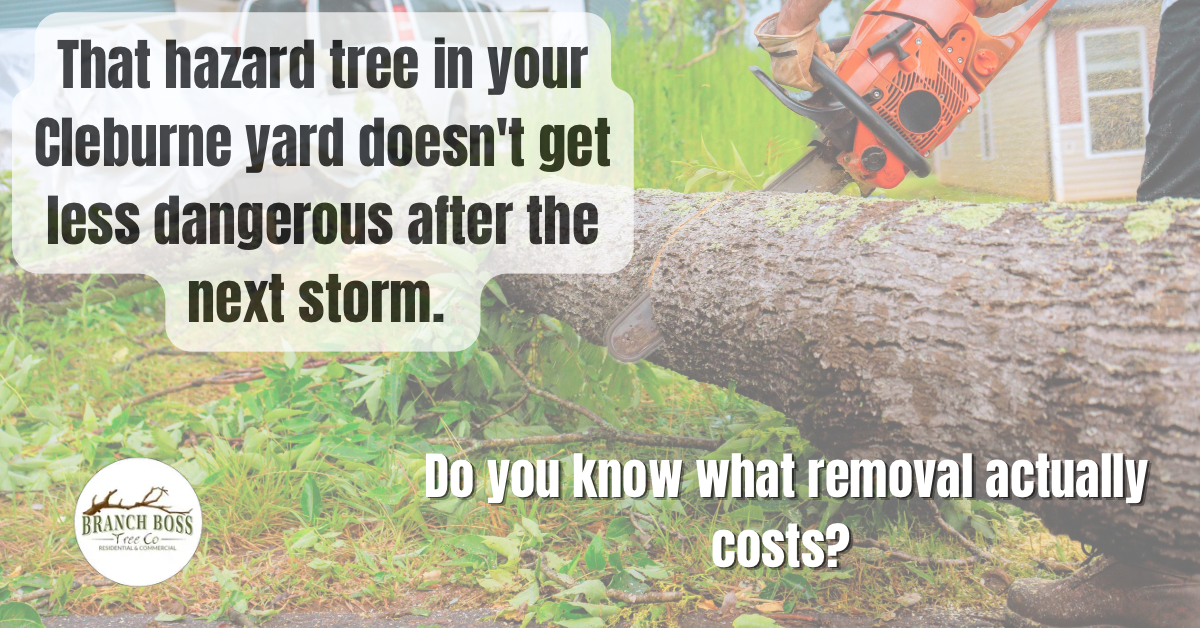
This is the most important question to answer first — because not every concerning tree needs to come down, and not every tree that looks fine is safe. Here's the decision framework for North Texas homeowners:
| Situation | Right Call | Why |
|---|---|---|
| More than 50% canopy loss from storm damage | Remove | Structural integrity is too compromised to recover |
| Major trunk split or substantial internal decay | Remove | The failure risk is too high regardless of external appearance |
| Tree leaning more than 15 degrees — especially after a storm | Remove | Active root failure in progress |
| Oak Wilt confirmed in a Red Oak | Remove | Red Oaks die rapidly from Oak Wilt — removal plus trenching stops spread |
| Touching power lines or dead and dropping limbs | Remove | Immediate hazard — don't wait for the next storm |
| Small areas of deadwood on otherwise healthy tree | Prune | Targeted removal restores health without losing the tree |
| Branches crossing, rubbing, or overhanging structures | Prune | Structural clearance without full removal |
| Early pest infestation or treatable disease | Treat | Many issues are manageable if caught before structural compromise |
Critical North Texas timing note: Never prune oak trees between February 1 and June 30 in the Cleburne and Burleson area. This is peak activity season for the sap-feeding beetles that carry Oak Wilt fungus — fresh pruning wounds during this window are direct infection entry points. Any oak pruning performed outside the dormant window must have all cuts immediately sealed with pruning paint.
For more on how North Texas spring conditions specifically stress trees and create structural risk, read our
spring tree stress guide →.
Common Reasons Cleburne and Burleson Homeowners Need Tree Removal
North Texas tree removal needs are shaped by the region's specific combination of weather patterns, soil conditions, and endemic tree diseases:
| Reason | North Texas Context |
|---|---|
| Oak Wilt disease | Highly prevalent in Central and North Texas — spreads through root connections and beetle vectors. Infected Red Oaks die rapidly and require removal plus trenching to stop spread to adjacent trees |
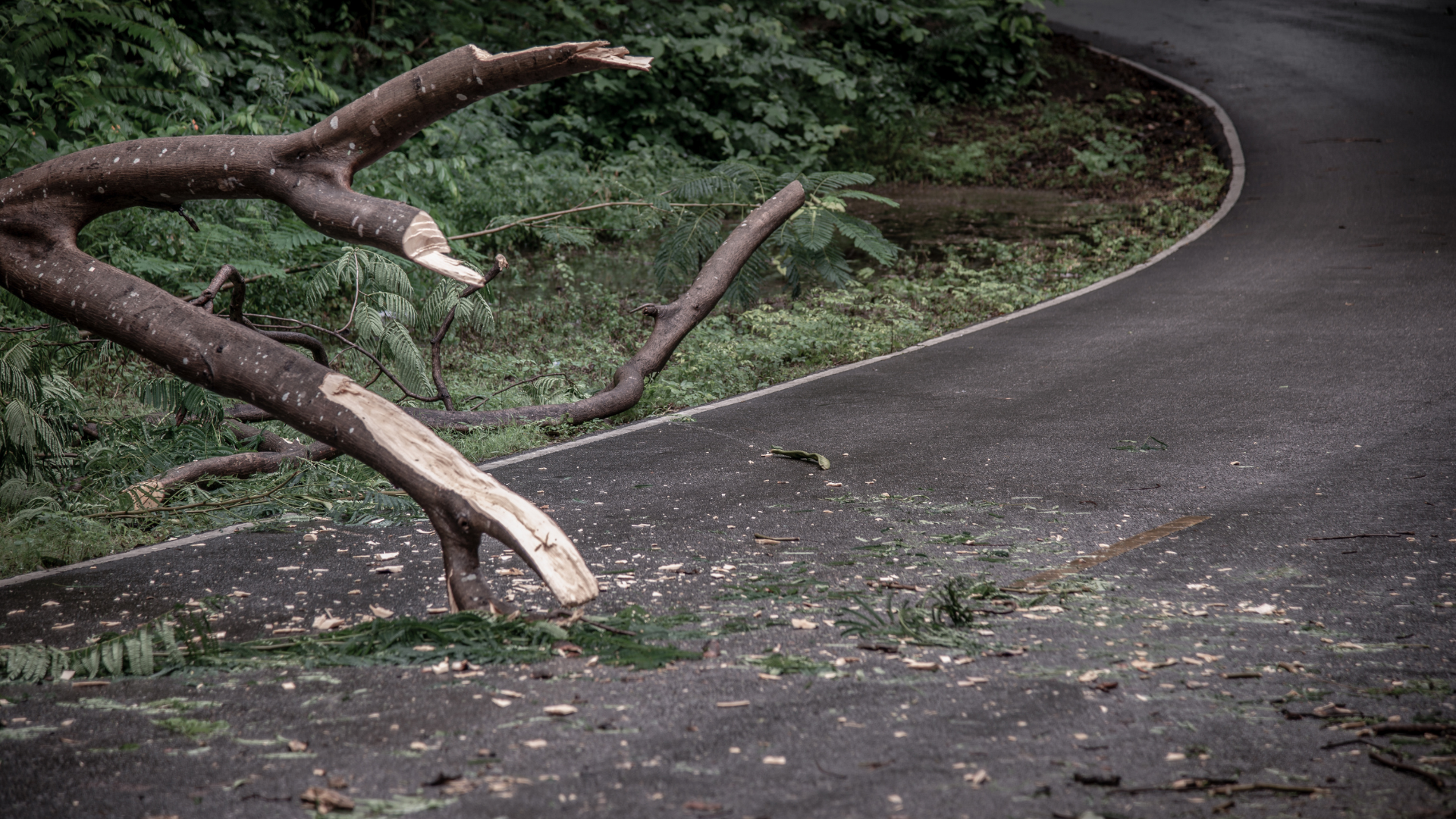
| Storm damage | High winds, ice storms, and severe spring thunderstorms cause breakage, uprooting, and structural failures that leave trees actively dangerous |
| Dead and dying trees | Dead trees become brittle and unpredictable — high risk of failure onto homes, vehicles, power lines, and people |
| Bark beetle infestation | Drought-stressed trees in Cleburne and Burleson attract bark beetles that bore into the cambium layer — requiring removal to stop spread to healthy trees |
| Proximity to structures | Trees that have outgrown their space — cracking foundations with root systems, brushing rooflines, or overhanging power lines — require removal before the next storm event |
| Structural instability | Significant lean, visible trunk cavities, or confirmed root rot that has progressed beyond treatment |
If you suspect Oak Wilt — particularly if you've noticed vascular browning in Red or Live Oaks — contact Branch Boss for a certified arborist assessment. Early identification changes whether treatment is possible or removal is necessary.
How Tree Removal in North Texas Is Different From Other Regions
Cleburne and Burleson homeowners deserve a tree removal crew that understands what makes this market specifically demanding — not a generalist operation applying standard techniques to a non-standard environment:
Clay soil and root systems North Texas clay soil shrinks and swells seasonally — affecting tree stability and requiring careful excavation that doesn't create drainage problems or structural issues near foundations. Deep stump grinding is particularly important in clay soil to prevent the root system creating voids as it decomposes.
Storm season urgency North Texas spring storm season creates genuine emergency tree removal situations — trees on structures, limbs on power lines, and root-lifted trees blocking driveways need immediate response from crews who know how to work safely under urgent conditions. This is not the scenario to discover you hired someone without proper rigging experience.
Oak Wilt protocols Texas has strict protocols around oak pruning timing — and they exist because the consequences of ignoring them are severe. Every oak cut — regardless of season — should be immediately sealed. Branch Boss knows these requirements and follows them on every job.
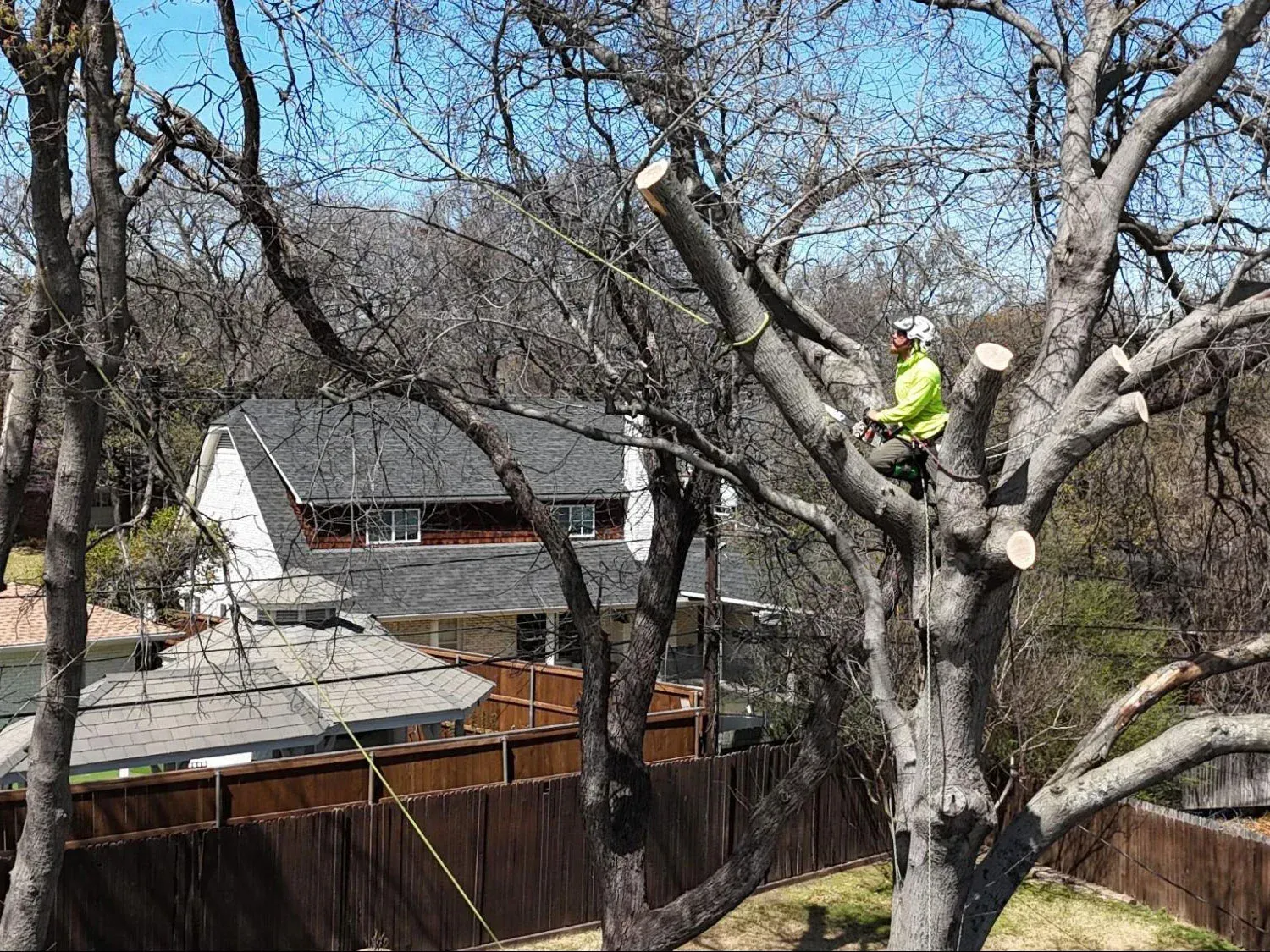
Established neighborhood complexity Cleburne and Burleson's established neighborhoods have mature trees growing in close proximity to homes, fences, utility lines, and neighboring properties. Many removals require technical rigging work to control the fall direction — this is not work for a crew that relies on guesswork.
Optimal removal timing: Late winter — January through February — is the best window for scheduled tree removal in North Texas. Trees are dormant, the ground is firmer, and Oak Wilt beetle activity is at its lowest. Spring storm season creates urgency that commands premium rates. Planning ahead saves money and gives you better scheduling options.
What to Look for When Hiring a Tree Removal Company in Cleburne TX
Use this checklist before signing anything:
| What to Verify | Why It Matters |
|---|---|
| ISA Certified Arborist on staff | Confirms expert knowledge of tree biology, risk assessment, and North Texas species — not just equipment operation |
| General liability insurance | Protects your property if damage occurs during removal |
| Worker's compensation insurance | Protects you from liability if a worker is injured on your property — Texas does not automatically cover you otherwise |
| Local Cleburne and Burleson experience | Oak Wilt regulations, clay soil excavation, storm season response — all require regional knowledge |
| Written itemized estimate | Scope of work, debris removal, stump grinding status, cleanup, and total pricing — verbal quotes are unenforceable |
| Modern proper equipment | Cranes, chippers, bucket trucks, and climbing equipment — not just chainsaws and a pickup |
| Recent local references | Jobs completed in Cleburne and Burleson specifically — not just anywhere in Texas |
Red flags to avoid:
- Door-to-door offers immediately after storms — particularly from crews with out-of-state plates
- Quotes significantly below every competitor without explanation — no insurance and shortcuts are the most common explanation
- Proposals that include tree topping — legitimate arborists never recommend this
- Workers in street clothes without proper PPE
- Demand for full payment upfront — professional companies collect a deposit and final payment on completion
Questions to Ask Before You Sign Anything
Five questions that protect you legally, financially, and practically:
1. Can you provide proof of insurance? Request a Certificate of Insurance sent directly from the carrier — not forwarded from the company. Confirm it covers both general liability and worker's compensation, and that the policy specifically covers tree removal work rather than just general landscaping.
2. Is stump grinding included — and how deep? Tree removal almost always stops at ground level unless specifically agreed otherwise. Confirm whether stump grinding is included or separately priced, how deep the grinding goes — 6 to 8 inches is standard, deeper if you plan to replant — and whether grindings are hauled away.
3. What exactly does cleanup include? Confirm all branches, logs, and debris are removed from the property. Ask whether sawdust and chips from stump grinding are hauled away or left on site. Confirm the driveway and yard are blown clean after the job.
4. How will you protect my structures and surrounding property? Ask specifically about equipment mats or plywood to protect the lawn from heavy machinery, rigging approach for controlling the fall direction near structures, and what happens if damage occurs during the job.
5. Are permits required — and who handles them? Some Cleburne and Burleson properties, HOAs, and protected tree species require permits before removal. A reputable company should know local requirements and handle the permitting process on your behalf — homeowners are liable for unpermitted removals.
What Does Tree Removal Cost in Cleburne and Burleson TX?
Here's the realistic cost breakdown for North Texas tree removal:
| Tree Size | Typical Cost Range | Notes |
|---|---|---|
| Small (under 25–30 ft) | $150–$500 | Small ornamentals and young trees in accessible locations |
| Medium (30–60 ft) | $400–$1,200 | Most common Cleburne and Burleson removal category |
| Large (60–80+ ft) | $800–$2,500+ | Mature oaks and large shade trees — cost increases significantly with access difficulty |
| Hazardous or extra-large | $1,500–$4,000+ | Dead trees, trees on structures, steep terrain, or crane-required removals |
What drives cost up in Cleburne and Burleson specifically:
- Trees near power lines, fences, or homes requiring precision rigging — adds up to 50% to base cost
- Dead or diseased trees — unstable wood requires slower, more cautious sectional removal
- Clay soil excavation for stump work — more labor intensive than sandy or loam soil
- Multiple tree discount — removing several trees in one visit often reduces per-tree cost
- Emergency or post-storm removal — premium rates for urgent response
Stump grinding is almost always a separate line item — budget $100 to $450 per stump depending on diameter and root complexity. Always confirm explicitly whether it's included in your quote.
What Happens After the Tree Is Removed
Setting realistic expectations for post-removal site conditions prevents surprises:
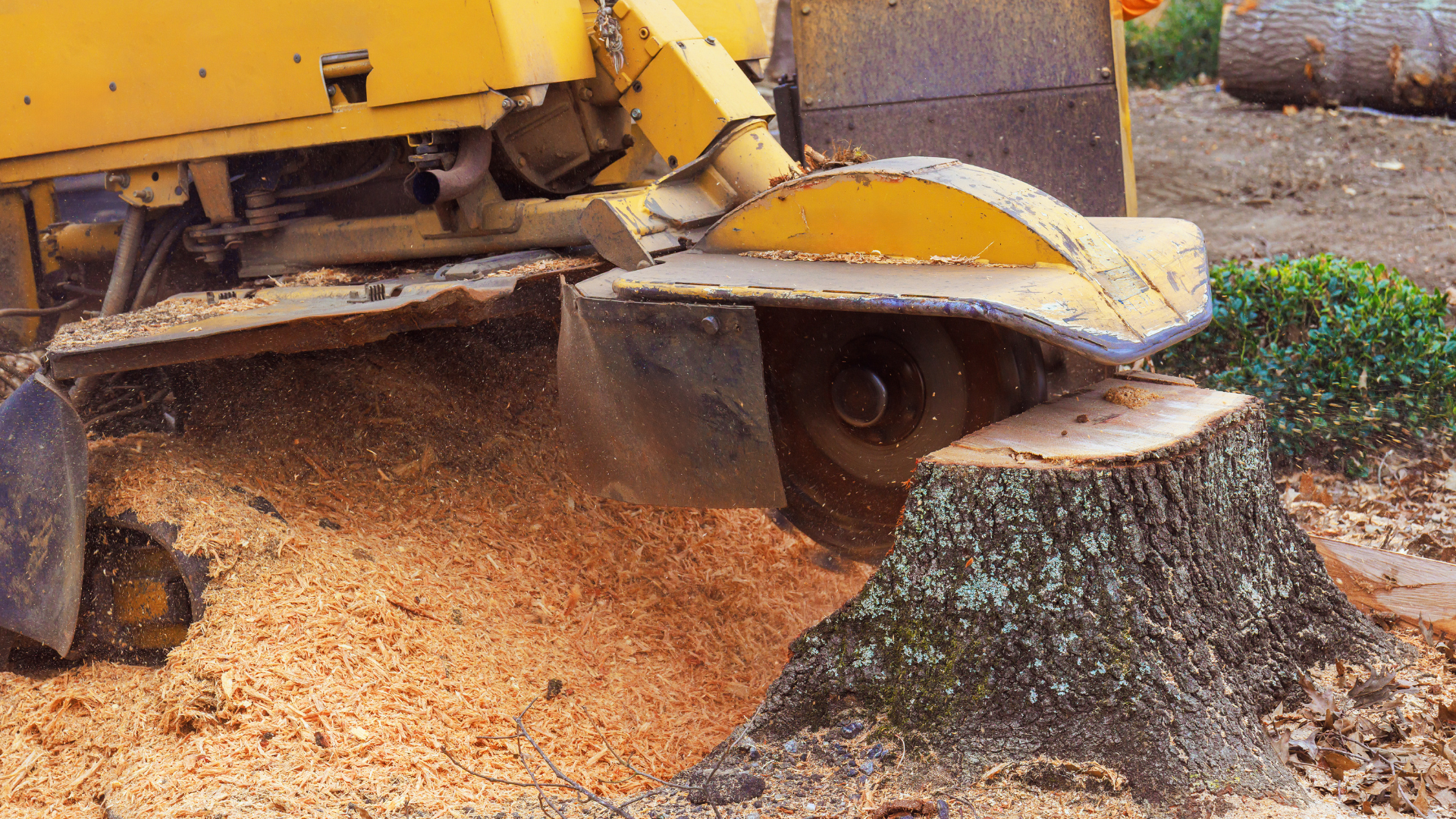
The stump — grinding vs. full removal Stump grinding is the most common and cost-effective approach — a grinder reduces the stump to wood chips 6 to 12 inches below grade. The root system remains in the ground and decomposes over years. Full root ball excavation leaves a larger hole but allows immediate replanting — more expensive and typically only necessary when construction is planned nearby.
The wood chips Stump grinding produces a significant volume of chips — often 2 to 3 times the visual volume of the original stump. Options include using them as mulch elsewhere on the property (age them for a few months first as fresh chips temporarily deplete nitrogen), using them to fill the grinding void, or having them hauled away for an additional fee. If the tree was diseased — particularly Oak Wilt — all chips and debris must be removed and disposed of, never used as mulch on site.
Soil settling As underground root systems decompose, air pockets collapse — causing the soil to settle and sink over time. Expect minor settling for up to 5 years after removal. You'll likely need to add topsoil once or twice over the first few years as the area levels out. If you're replanting grass, remove as many chips as possible from the void, backfill with topsoil mixed with compost, and expect the area to need extra nitrogen fertilization the first season.
Pest considerations Decaying stumps attract termites, carpenter ants, and bark beetles — which can migrate to nearby healthy trees or structures. Prompt stump grinding reduces this risk significantly. If your removed tree had a bark beetle infestation, complete chip and debris removal from the property is strongly recommended.
Serving Cleburne, Burleson, Granbury, and Surrounding North Texas
Branch Boss provides ISA certified tree removal throughout the greater Cleburne and Burleson area — including Granbury, Crowley, Alvarado, Joshua, and surrounding Johnson and Hood County communities. Whether you're searching for tree removal near you in Cleburne, a certified tree service in Burleson, or a North Texas arborist who understands Oak Wilt and storm season requirements — Branch Boss is your local answer.
Why North Texas Homeowners Choose Branch Boss for Tree Removal
Tree removal in Cleburne and Burleson isn't work you want to hand to whoever shows up after a storm with a low number. It's work that requires ISA certified arborists who know North Texas species, clay soil excavation, Oak Wilt protocols, and the technical rigging that protects your property when a large tree comes down near a structure.
Here's what you get with every Branch Boss tree removal:
| What We Offer | What It Means for You |
|---|---|
| ISA Certified Arborists | Removal recommended only when it's genuinely the right call — we assess every tree honestly |
| Full liability and worker's compensation insurance | Your property and our crew are protected from day one |
| North Texas species expertise | Oak Wilt management, bark beetle identification, clay soil excavation — we know this market |
| Complete service | Removal, stump grinding, debris hauling, and site cleanup — one call handles everything |
| Transparent written estimates | Itemized scope and pricing before any work begins — no verbal ballparks, no surprise add-ons |
| Storm season response | We prioritize emergency removal calls during North Texas storm season when response time matters |
| Service area coverage | Cleburne, Burleson, Granbury, and surrounding North Texas communities |
Don't wait until the next storm makes the decision for you. Contact Branch Boss today for your Cleburne and Burleson tree removal assessment.
Schedule Your Free Tree Removal Assessment →
Read: Storm Season Prep for North Texas Trees →
Read: Tree Trimming in Cleburne TX →
Don’t wait for the next storm to test your trees.
👉 Worried about a tree near your roof, driveway, or power lines?
Contact Branch Boss Tree Co. today to schedule your summer tree assessment and get expert trimming
that protects your property and peace of mind.
Call us today at
817-487-8448 to let us handle your tree and tree stump removal needs with professionalism and care.