When Is the Safest Time to Trim Oak Trees to Prevent Oak Wilt?
A homeowner can spot many warning signs, but some conditions are difficult to evaluate safely from the ground. Mature oaks and pecans can carry large loads high in the canopy, and internal decay may not be obvious from the outside.
A tree health assessment in Burleson, TX, Granbury, Cleburne, or Midlothian makes sense when the tree has been through severe weather, has developed new symptoms, or sits close enough to a home, driveway, fence, road, or other target that failure would create a meaningful problem.
That is where
tree health care in Cleburne, TX and surrounding North Texas communities becomes a decision process rather than a one-service recommendation.
There is no responsible flat price for tree service in Granbury, TX because weather-related tree work can range from a simple pruning visit to a complex removal involving rigging, heavy equipment, nearby structures, difficult access, or emergency response.
What Changes Tree Service Cost?.

For routine oak pruning in Texas, November through January is generally the preferred window. Cooler weather and reduced insect activity make it a practical time to plan necessary work before the higher-risk spring period. Texas A&M Forest Service recommends avoiding routine oak pruning from February through June and protecting fresh oak wounds immediately, including during winter.
That calendar helps reduce risk, but it does not guarantee that a tree will avoid oak wilt. A cracked limb over your driveway also cannot be treated like an optional shaping project. At Branch Boss Tree Co., we help homeowners in Cleburne, Burleson, Granbury, Joshua, and Alvarado separate necessary safety work from pruning that can wait for a better window.
Why November Through January Is a Useful Planning Window
If you are wondering when to trim oak trees in Texas, start by identifying what the pruning is supposed to accomplish. Clearance from a building, removal of an unsafe limb, and correction of a developing structural problem are different goals. For work that can be scheduled, Texas Extension guidance identifies November through January as the preferred oak-pruning window. The exact scope should still reflect the oak's condition, its surroundings, and whether cutting is necessary at all.
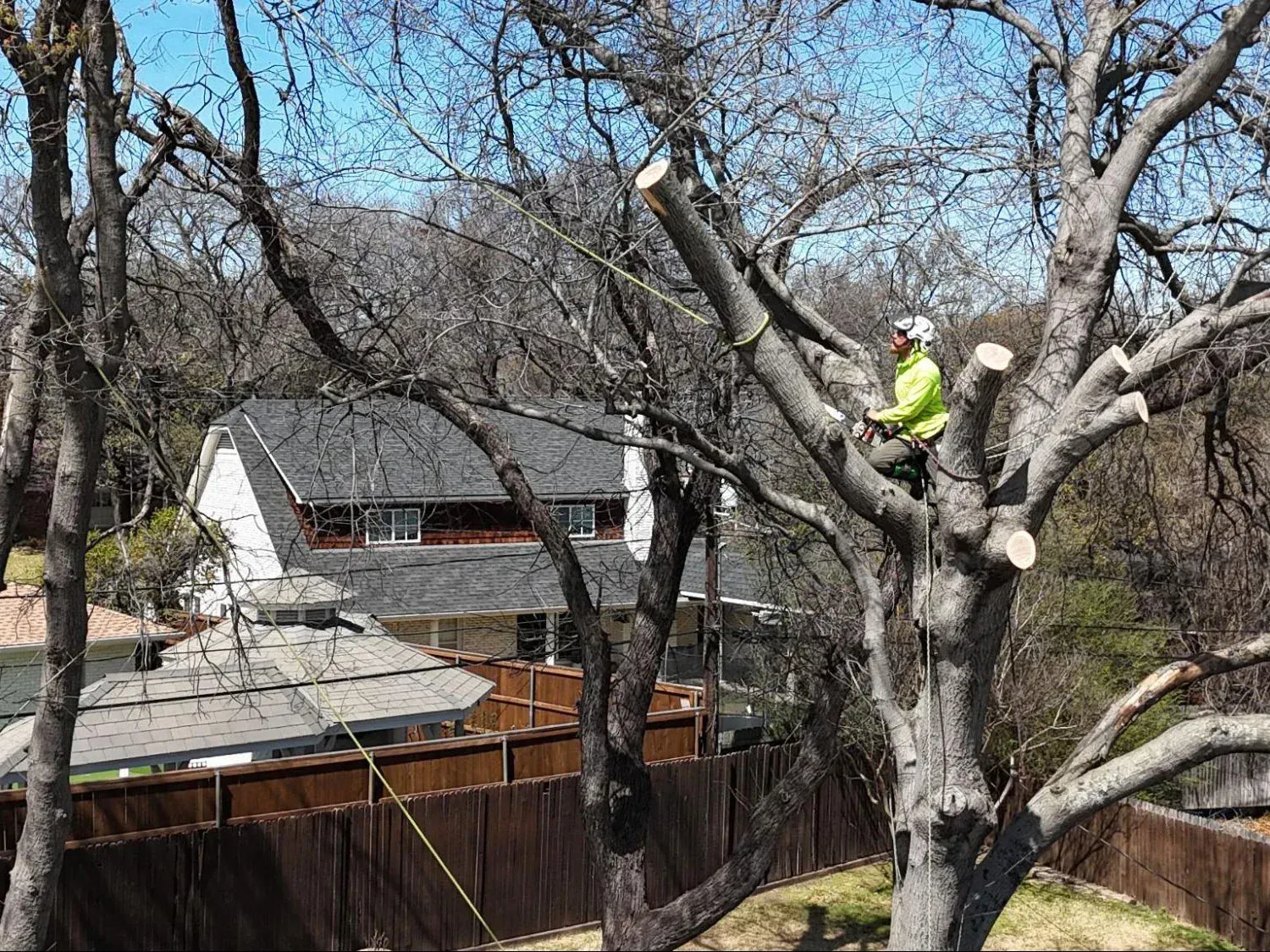
Winter scheduling also gives you an opportunity to plan before spring growth and the higher-risk oak-wilt period. It is better to arrange an assessment while there is time to discuss options than to request substantial canopy work just before an outdoor event. Our tree trimming and pruning services focus on the needs of the tree and property rather than trimming every oak simply because the season has changed. A healthy tree with adequate clearance may need monitoring instead of another round of cuts.
| Situation | Timing approach | What matters most |
|---|---|---|
| Planned, nonurgent oak pruning | Prefer the November–January window | Tree condition, clear objective, and wound protection |
| Optional shaping during February–June | Postpone and discuss a suitable later window | Avoid creating unnecessary fresh wounds |
| Broken or hanging limb over an occupied area | Request prompt assessment in any month | Keeping people away and addressing the hazard |
| Stressed or declining oak | Assess before scheduling pruning | Understanding the problem before removing live foliage |
| Fresh oak injury during necessary work | Protect the wound immediately | Season does not remove the need for precautions |
Why Routine Oak Pruning Should Wait During February Through June
Fresh wounds are one route through which oak wilt can reach a previously healthy oak. Sap-feeding beetles can move fungal spores to exposed tissue, which is why the timing of avoidable cuts matters. February through June is the period Texas guidance identifies for avoiding routine oak pruning. A convenient spring appointment should not outweigh the opportunity to postpone unnecessary work.
Waiting does not mean ignoring a tree until summer or assuming every winter job is automatically appropriate. You can arrange an assessment, identify clearance concerns, and discuss a written scope without immediately authorizing cuts. If a branch is intact and the issue is cosmetic, delaying the work may be the sensible choice. If it is cracked or suspended above a frequently used area, the conversation shifts from seasonal convenience to immediate risk management.

Do Oak Pruning Cuts Need Paint in Winter?
Fresh oak wounds should be painted immediately, regardless of season, following Texas oak-wilt prevention guidance. This is an oak-specific disease precaution rather than a recommendation to coat every pruning wound on every tree. The intended purpose is to protect a fresh opening from insect visits that could introduce the fungus. It does not repair poor pruning, cure an infected tree, or make unnecessary cutting beneficial.
Texas A&M Forest Service’s storm-cleanup guidance describes treating each newly created oak wound before making the next cut. Homeowners should ask how the crew will handle wound protection throughout the job, including cuts high in the canopy. A plan to come back after all the pruning is complete misses the emphasis on immediate protection. Do not climb a ladder or enter a hazardous area to paint an inaccessible injury yourself; discuss it with a qualified tree professional.
Oak Species and Tree Condition Change the Conversation
Live oaks, red oaks, and white-oak-group trees should not be treated as if their disease response, growth habits, and pruning needs are identical. Accurate identification helps a professional put symptoms and pruning decisions in context. Homeowners do not need to identify every leaf characteristic before asking for help, but uncertainty about the species is worth mentioning. Fresh-wound precautions remain important for oaks even when the homeowner believes a particular tree is less susceptible.
Condition matters just as much as the name of the tree when deciding what work to approve. Sparse foliage, unexpected browning, recent construction near roots, and previous storm injury deserve discussion before routine pruning begins. Those observations do not establish an oak-wilt diagnosis, because different problems can produce overlapping symptoms. If disease is suspected, the next step is appropriate evaluation and, when needed, referral for diagnosis rather than assuming a trim will solve the problem.
When a Hazardous Branch Cannot Wait for the Preferred Season
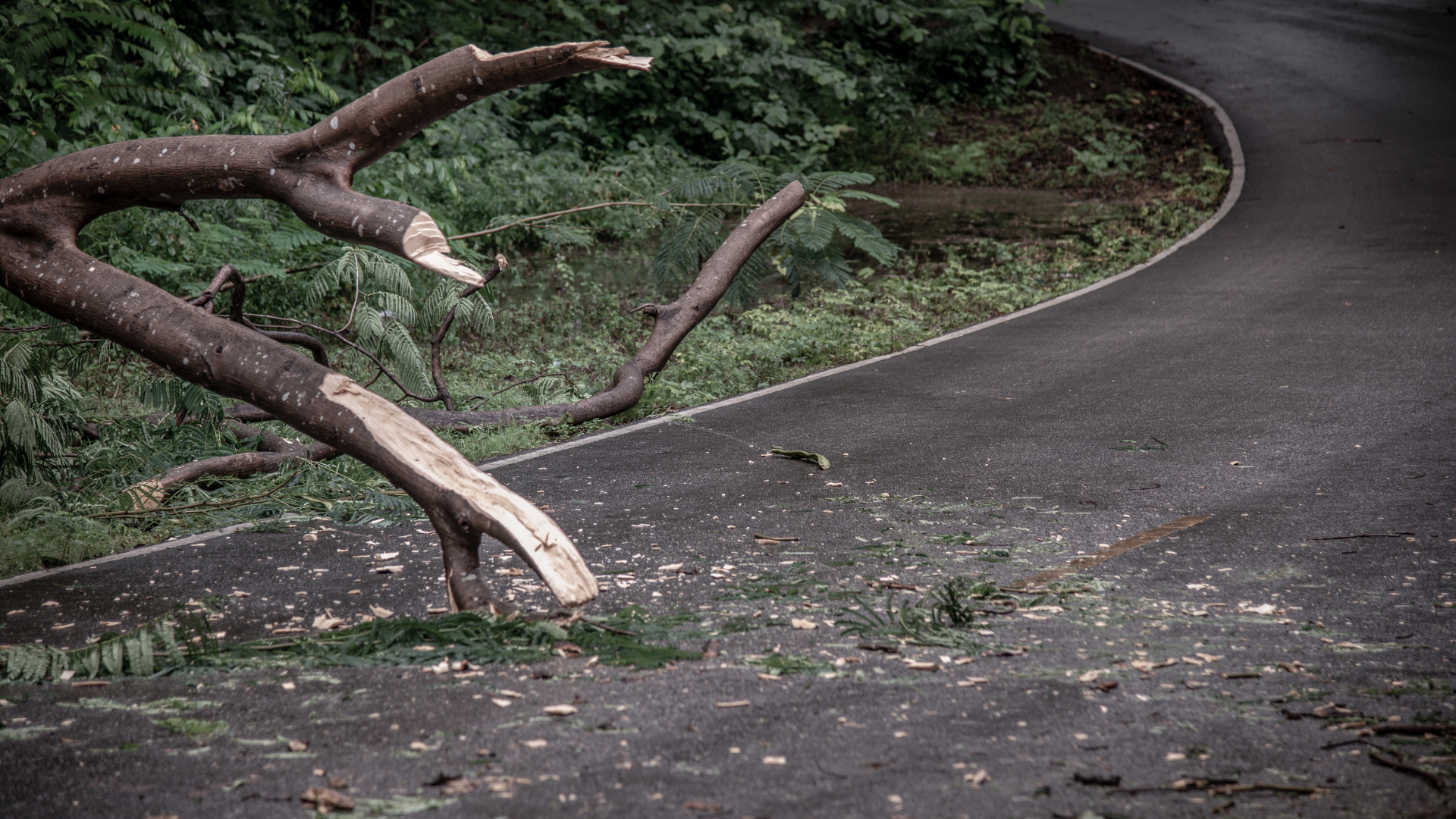
A broken limb hanging over a driveway should receive prompt professional attention even if the calendar falls within the routine-pruning avoidance period. Keep people and pets away from the area beneath it, and avoid parking or walking through its potential fall zone. Do not tug on the limb, shake the tree, or attempt overhead cutting from a ladder. If branches involve electrical lines, stay clear and contact the utility instead of approaching the tree.
Our emergency tree services provide a way to discuss urgent damage rather than waiting for a convenient pruning month. The immediate objective may be to address a specific hazard while leaving optional canopy work for later. A damaged branch does not automatically require removal of the whole tree, although the remaining structure must be considered. Our guide to tree trimming versus tree removal after storm damage explains that broader decision in more detail.

| What you notice | Sensible next step | What to avoid |
|---|---|---|
| Intact branch creating a future clearance concern | Plan an assessment and suitable pruning window | Rushing optional work during the higher-risk months |
| Broken branch suspended over an entry | Keep the entry unused and request prompt help | Walking underneath to inspect the break |
| Branch touching or threatening a power line | Stay clear and contact the utility | Using tools or ladders near the line |
| New lean, trunk split, or major structural change | Keep away and request urgent evaluation | Assuming branch trimming restores stability |
| Discolored leaves or thinning canopy | Document changes and arrange an assessment | Diagnosing oak wilt from appearance alone |
Less Pruning Can Be the Better Tree-Care Decision
Texas A&M Forest Service’s mature-tree pruning guidance explains that routine thinning is not automatically a health improvement for a mature tree. Leaves support the tree's energy needs, and excessive live-canopy removal can add stress rather than resolve it. Proper pruning should have a defined purpose and preserve appropriate structure. Topping, indiscriminate branch removal, and a request to make the tree much smaller deserve careful reconsideration.
Before approving work, ask which branches need attention and what each proposed removal is intended to accomplish. Clearance can sometimes be achieved through selective work rather than stripping a large portion of the canopy. A tree recovering from drought, root disturbance, or another stress may require a particularly restrained approach. The best pruning plan explains both the work recommended now and the healthy growth that should remain.
What to Check Before Scheduling Oak Tree Trimming
Start with observations you can make from the ground without standing beneath a questionable limb. Note where branches contact a roof, obstruct an entrance, or extend above a regularly occupied area. Photograph visible changes from a safe position and record whether damage followed a storm or developed gradually. Tell the crew about previous pruning, nearby construction, irrigation changes, or concerns that another professional has raised.
Then clarify the practical scope before work begins, including access, nearby structures, cleanup, and how the work area will be kept clear. Ask whether the proposed job is planned pruning, urgent hazard work, or an assessment that may lead to a different recommendation. If you are preparing for decorations, our advice on holiday lighting mistakes that can damage trees can help you avoid turning seasonal setup into unnecessary cutting. An oak does not need additional pruning just to accommodate a lighting design that could be moved to a safer location.
What an Oak Pruning Estimate Should Explain
The useful estimate is the one that explains the actual tree work, not just a price beside the word trimming. A small clearance correction and a damaged limb over a roof can require very different access, planning, and equipment. Tree height, branch position, condition, surrounding obstacles, and debris handling can all affect the scope. The proposal should also make clear whether the work concerns a single tree or multiple oaks across the property.
Ask how fresh oak wounds will be protected and whether the quoted work includes removing debris from the agreed areas. If an assessment identifies a more serious structural concern, discuss the revised recommendation before assuming the original pruning scope still applies. Comparing proposals is easier when each describes the same objectives and cleanup expectations. We can discuss the site conditions and proposed work before you decide how to proceed.
| Scope component | Why it affects planning | What to clarify |
|---|---|---|
| Tree and branch condition | Damaged wood can change access and handling decisions | Whether the work is routine or hazard-related |
| Height and location | Limbs above roofs or restricted spaces require additional planning | How the crew will access the work safely |
| Amount of pruning | A few targeted cuts differ from broader clearance work | Which branches are included and why |
| Oak-wound protection | Precautions must be part of the work process | How newly created wounds will be treated |
| Cleanup and access | Debris, gates, vehicles, and landscaping affect logistics | What is removed and what homeowners should move |
What Happens After the Oak Is Pruned?
After the work, keep a record of the date, scope, and any concerns identified during the assessment. Observe the tree from the ground over time rather than expecting pruning to produce an immediate change in every symptom. New dieback, unexpected canopy changes, or additional broken limbs should prompt another conversation. Those changes need evaluation in context and do not prove either oak wilt or a problem with the pruning.
Avoid adding new injuries through construction, tight attachments, or seasonal decorations after investing in careful tree work. If you notice a fresh scrape or broken branch, ask for advice promptly without putting yourself beneath unstable wood. Seasonal scheduling is only one part of tree care, and a previous winter trim does not make future hazards impossible. Consistent observation helps you recognize when an otherwise stable situation has changed.
Frequently Asked Questions
What is the best month to trim oak trees in Texas?
November through January is generally the safest period for routine oak tree trimming in Texas. During these cooler months, the insects associated with spreading oak wilt are typically less active, reducing the risk of infection through fresh pruning wounds. At Branch Boss Tree Co., we help homeowners in Cleburne, Burleson, and surrounding communities schedule professional tree trimming during appropriate seasonal windows while maintaining healthy tree structure.
Why should I avoid trimming oak trees during spring?
Oak tree trimming is generally discouraged from February through June because this period presents an increased risk of oak wilt transmission. Sap-feeding beetles can carry the fungus responsible for oak wilt to fresh wounds created by pruning. Unnecessary cutting during these months increases exposure to potential infection. Our team at Branch Boss Tree Co. can help determine whether pruning should be postponed or whether specific branches require immediate attention.
Do oak trees need pruning paint after being trimmed?
Yes. Texas A&M Forest Service recommends immediately painting fresh oak pruning wounds throughout the year, including during winter. The protective coating helps reduce the opportunity for insects carrying the oak wilt fungus to contact exposed wood. Proper timing, careful pruning techniques, and immediate wound protection are important parts of responsible oak tree maintenance.
Can I trim a damaged oak tree during oak wilt season?
Yes, when necessary to address an immediate safety hazard. Broken, hanging, or structurally compromised branches may require professional attention regardless of the season. However, unnecessary pruning should be postponed during the higher-risk months whenever possible. Branch Boss Tree Co. provides emergency tree services throughout Cleburne, Joshua, Alvarado, and nearby communities to help homeowners address dangerous limbs while taking appropriate oak wilt precautions.
How can I tell if my oak tree has oak wilt?
Common warning signs may include unusual leaf discoloration, premature leaf drop, thinning foliage, and rapid canopy decline. However, these symptoms can also result from drought stress, root damage, or other tree diseases, so appearance alone cannot confirm oak wilt. If you notice sudden changes in your oak tree, arrange a professional evaluation before scheduling routine pruning. Branch Boss Tree Co. can help assess visible tree conditions and recommend appropriate next steps, including specialist diagnosis when necessary.
Should I hire a professional to trim my oak trees instead of doing it myself?
Professional oak tree trimming is recommended, especially for mature trees, large branches, or trees near buildings and power lines. Improper pruning can create unnecessary wounds, weaken tree structure, and increase the risk of property damage or injury. Branch Boss Tree Co. provides tree trimming, hazardous tree pruning, and property maintenance services throughout Cleburne, Burleson, Granbury, Joshua, and Alvarado. Contact Branch Boss Tree Co. to request an assessment and free estimate for your oak tree care needs.
Plan Necessary Oak Pruning Before Spring
If your oak needs routine clearance or selective pruning, November through January is a useful time to plan the work. We can assess the tree, discuss your concerns, and distinguish optional trimming from a hazard that deserves faster attention. Our goal is a clear scope that addresses the property concern while avoiding unnecessary cuts. We serve homeowners in Cleburne and nearby communities, including Burleson, Granbury, Joshua, and Alvarado.
If a limb is already broken, hanging, or threatening an occupied area, keep clear and request help rather than waiting for a preferred month. We will discuss the situation and whether targeted work or a broader assessment is appropriate. For planned oak care, ask about timing, wound protection, access, and cleanup before approving the job. Contact Branch Boss Tree Co. to discuss tree trimming or a hazardous-limb assessment for your property.
Helpful Services and Related Reading
Don’t wait for the next storm to test your trees.
👉 Worried about a tree near your roof, driveway, or power lines?
Contact Branch Boss Tree Co. today to schedule your summer tree assessment and get expert trimming
that protects your property and peace of mind.
Call us today at
817-487-8448 to let us handle your tree and tree stump removal needs with professionalism and care.