Black silhouette of a tree with a full canopy.

7 Reasons to Grind Old Tree Stumps Before North Texas Winter

October 5, 2026

A homeowner can spot many warning signs, but some conditions are difficult to evaluate safely from the ground. Mature oaks and pecans can carry large loads high in the canopy, and internal decay may not be obvious from the outside.


A tree health assessment in Burleson, TX, Granbury, Cleburne, or Midlothian makes sense when the tree has been through severe weather, has developed new symptoms, or sits close enough to a home, driveway, fence, road, or other target that failure would create a meaningful problem.


That is where tree health care in Cleburne, TX and surrounding North Texas communities becomes a decision process rather than a one-service recommendation.

There is no responsible flat price for tree service in Granbury, TX because weather-related tree work can range from a simple pruning visit to a complex removal involving rigging, heavy equipment, nearby structures, difficult access, or emergency response.


What Changes Tree Service Cost?.

Overgrown wooded trail with a worker in a yellow hard hat and text: “The Damage You Can See Isn’t Always the Damage That Matters.”

An old stump can create problems with mowing, walking, landscaping, and cleanup. Stump grinding turns visible wood into chips and lowers the stump without excavating the entire root system. It often fits a usable yard better than a construction-ready excavation.


Early fall gives Granbury owners time to address storm leftovers before wetter periods or spring projects. The same applies in Burleson, Benbrook, and Fort Worth, although access, size, species, and intended use determine the method. These seven reasons explain when grinding helps and when full tree stump removal makes more sense.

Text on a tree stump: “7 Reasons to Grind That Old Stump Before Winter,” with Branch Boss logo.

Why Early Fall Is a Practical Stump-Grinding Window

Fall is not the only season when a stump can be ground, but it can be a convenient planning window in North Texas. The hottest work around the yard is easing, summer storm cleanup is easier to review, and there is still time to restore the area before many spring landscaping projects begin. Drier, stable access may also help equipment reach the work zone with less rutting, although actual soil conditions should be checked on the service date. Grinding before winter keeps a forgotten stump from interfering with months of mowing, cleanup, or project planning. The calendar is useful, but safe access and the next use of the space matter more than a specific month.


Stump grinding removes the visible obstacle much faster than waiting for natural decay. Iowa State University Extension notes that natural decomposition can take more than a decade, depending on species, moisture, and decay organisms. Grinding usually leaves the underground roots to break down gradually, so the site may settle and need added soil later. That distinction should shape expectations before the work begins. Homeowners get better results when grinding depth, chip handling, backfill, and the future use of the area are discussed in advance.

Reason Immediate benefit Planning detail to remember
1. Reduce hazards Removes the visible obstacle Mark utilities and hardscape first
2. Simplify maintenance Eliminates trimming around the stump Surface roots may need separate work
3. Manage sprouts more effectively Removes stored wood at the crown Some species can still sprout from roots
4. Reclaim yard space Opens room for turf, beds, or access Match depth to the next use
5. Address decaying wood Avoids years of natural breakdown Grinding is not household pest treatment
6. Plan future work Clarifies restoration needs Roots and utilities remain important
7. Coordinate cleanup Combines related property work Confirm chips and backfill in writing

1. Remove a Tripping and Equipment Hazard

A stump near a walkway, gate, or active yard is easy to forget until someone trips. Low wood can disappear beneath leaves, grass, or weak winter light. It can also damage mower blades or tires when an operator misjudges the edge. Grinding lowers the obstacle, although the finished grade still needs proper restoration.


Before scheduling, identify what surrounds the stump:

  • Irrigation heads, valve boxes, and shallow lines
  • Landscape lighting or buried electrical service
  • Fences, retaining walls, patios, and edging
  • Septic components, sewer lines, or drainage pipes
  • Gas, water, and communication lines
  • Stones, wire, metal, or old hardware embedded in the wood


Do not assume a utility locate identifies every private line. Irrigation and lighting may require separate marking. Tell the crew about known pipes, cables, hardware, or past construction. Safe grinding begins with the work area, not the machine.

2. Make Mowing and Yard Maintenance Easier

An old stump interrupts a clean mowing path and forces repeated trimming around an awkward edge. Grass and weeds can hide the flare, while surface roots make the obstacle wider than the cut face suggests. That extra maneuvering wastes time and increases the chance of striking wood, soil, or stones with lawn equipment. Grinding the stump to an agreed depth creates a more manageable area for routine maintenance. It also makes leaf removal and general property cleanup more straightforward.


The finished site will still need restoration. Grinding produces a mixture of wood chips and soil, and leaving too much woody material in the hole can make turf establishment difficult. University of Illinois Extension recommends removing chipped stump debris and using quality topsoil when turf will be planted. Ask whether the quote includes spreading chips, hauling excess material, adding soil, or leaving the site ready for another contractor. A ground stump and a lawn-ready surface are related, but they are not automatically the same scope.

3. Reduce Repeated Stump and Root Sprouting

Some cut trees use stored energy in the stump and roots to send up new shoots. Those sprouts can appear around the original base or farther along lateral roots, depending on the species. Repeatedly cutting the shoots removes the top growth without necessarily exhausting the underground system quickly. Grinding removes the stump and root crown that support much of this activity. However, it does not guarantee that every remaining root will stop producing suckers.


Texas A&M AgriLife explains that many woody plants can resprout strongly from belowground crowns or roots after top growth is removed. This matters with persistent North Texas species and with trees that were cut without a species-specific control plan. Tell the estimator if the stump is still producing live shoots and identify the tree if possible. The recommended approach may include grinding, monitoring, and carefully selected follow-up rather than grinding alone. Never apply an herbicide casually near desirable trees, shared root zones, pets, drainage features, or edible gardens.

4. Reclaim Space for Winter Cleanup and Spring Projects

A stump may occupy a few feet, but its root flare and avoidance zone consume more yard space. Removing it creates room for turf, beds, paths, gates, or open space. Fall work leaves time to observe settling before a spring project. The benefit is strongest when the next use determines the grinding depth.


Match the scope to the plan:

  • Turf repair: remove excess chips, add suitable topsoil, and expect some settling.
  • Shallow planting bed: confirm which surface roots interfere with cultivation.
  • Path or patio: ask whether extraction or deeper preparation is required.
  • Fence or structure: locate utilities and review footing needs before grinding.
  • New tree: avoid assuming the same spot is ready simply because the stump is gone.
  • Open yard: specify the desired final grade and cleanup level.


A standard grind may suit grass but not a footing, driveway, pool, or replacement tree. Structural roots can conflict with excavation or base material. Share construction plans before work begins. The estimate should address the end use, not only the visible stump.

What Homeowners Should Document Before Calling

Documentation helps a tree professional understand what changed and plan a safer visit. Take photos only from a stable, protected location. Do not step under the canopy, cross a utility hazard, or move branches just to improve the view.

  • Photograph the full tree from several safe angles. Include the trunk, canopy, base, and its position relative to structures.
  • Capture the main defect. Record hanging limbs, fresh cracks, torn bark, split unions, soil lifting, and any new lean visible from the ground.
  • Note when the damage occurred. Include the storm date, when the change was first noticed, and whether the tree has continued moving or dropping material.
  • Record property impacts. Photograph roof, fence, vehicle, driveway, utility, or access damage without entering an unsafe area.
  • Mark normal access conditions. Tell the estimator about gates, slopes, septic components, irrigation, shoreline terrain, and tight side yards.
  • Keep earlier photos if available. A pre-storm image can show whether a lean, crack, sparse canopy, or root condition is new.
  • Confirm the desired cleanup scope. Ask whether debris hauling, wood cutting, stump grinding, and site restoration are included in the estimate.


Share the information with your tree service and, when property damage may involve a claim, follow your insurer's documentation instructions. Photos support communication, but they do not replace an on-site structural assessment.

5. Address Rotting Wood on Your Schedule

A rotting tree stump does not disappear on a predictable homeowner timeline. Moisture, species, stump size, soil contact, and decay organisms all influence how fast the wood softens. During that process, the stump may become hollow, uneven, harder to see, or more difficult to work around. Natural decay can be reasonable in a remote part of a large property, but it is less practical beside a driveway, active yard, or planned landscape area. Grinding replaces an open-ended wait with a scheduled cleanup decision.


Dead wood can support fungi, insects, and wildlife, which is normal decomposition rather than automatic proof of a household infestation. Grinding can remove much of that decaying wood from the active yard, but it is not a substitute for termite inspection, disease diagnosis, or structural pest treatment. If insects appear to be traveling toward a building, contact an appropriately licensed pest professional. If the stump came from a tree removed for a suspected contagious disease, tell the tree service before chips are reused. The cause of removal may affect cleanup, disposal, and whether material should remain on site.

Two More Reasons to Finish the Stump Work

The first five reasons focus on daily use. The final two apply when a stump is part of landscaping, cleanup, or development. They help the next contractor understand what remains underground.


6. Make Future Site Conditions Easier to Evaluate

Grinding reveals the hole and clarifies backfill or grading needs. It also exposes surface-root conflicts and access limits. Because underground roots remain, future contractors need accurate information. Purdue Extension advises that decaying wood and roots may cause settling.


Document the work for future planning:

  • Photograph the stump and surrounding features before grinding.
  • Record the approximate stump diameter and agreed grinding depth.
  • Note whether surface roots were included.
  • Keep relevant utility markings or sketches.
  • Photograph the hole before it is filled.
  • Record whether chips were removed, spread, or left onsite.


7. Coordinate Cleanup With Other Property Work

Grinding may be easier to coordinate with tree removal, storm cleanup, or land clearing. Combined work can reduce duplicated preparation, but savings are not guaranteed unless quoted. Branch Boss Tree Co. offers tree removal and stump grinding, plus broader clearing for larger scopes. Access, debris, finish, and protected vegetation shape the package.


Before accepting a combined scope, confirm:

  • Which stumps and visible roots are included
  • Grinding depth and final grade
  • Chip spreading, hauling, or reuse
  • Backfill and soil restoration
  • Fence removal or access preparation
  • Protection for trees, irrigation, and hardscape
  • Responsibility for permits or utility coordination
Large gray tree stump on grass with text: “That Old Stump Won’t Fix Itself.”

Decide Whether to Grind, Extract, or Leave the Stump

The best option depends on location and future use. Grinding limits excavation and often suits lawn restoration. Full extraction disturbs more soil but may fit construction or deep grading. Leaving a stump can work in a remote area without safety or project conflicts.

Site goal or condition Most likely option Why it may fit
Restore lawn or open yard Grind below grade Removes the obstacle with limited excavation
Build a footing, driveway, or structure Evaluate extraction Roots and voids may conflict with construction
Preserve a remote habitat area Leave and monitor Natural decay may be acceptable away from active use
Manage a sprouting species Grind plus follow-up plan Roots may continue producing shoots
Remove many acreage stumps Compare grinding and clearing Terrain and end use change efficiency
Work beside utilities or hardscape Site-specific professional plan Access and underground conflicts control the method

Use this decision framework before requesting a quote:

  • Choose grinding to clear a visible stump for turf, access, or maintenance.
  • Consider extraction when roots conflict with construction, grading, drainage, or deep planting.
  • Consider leaving it only when the stump is remote, stable, visible, and unrelated to future use.
  • Request species-specific guidance when vigorous stump or root sprouts are already present.
  • Delay the work if utility locations, property boundaries, or access permissions are unresolved.


Estimated 2026 Market Context

Branch Boss Tree Co. does not publish one fixed price because size, hardness, access, depth, roots, terrain, and cleanup vary. For planning context, HomeGuide’s 2026 data reports $120 to $400 for a first stump, $2 to $6 per diameter inch, and $100 to $200 per hour. These are national ranges, not Branch Boss prices or a Granbury quote. A written estimate should explain chips, the hole, surface roots, and nearby features.

Cost item 2026 national market range Scope note
First stump $120 to $400 Average grinding range
Each additional stump $30 to $60 May reflect shared mobilization
Extra-large stump $300 to $800 Hardwood and access affect cost
Per diameter inch $2 to $6 Usually measured at the widest base
Hourly grinding $100 to $200 Common for multiple or difficult stumps
Minimum service fee $80 to $160 May apply even to a small stump
Debris cleanup $2 to $4 per diameter inch May be included or priced separately

Compare scope, not totals alone. One estimate may include roots, hauling, and backfill while another covers only the stump. Ask about fence access, machine width, and lawn restoration. A useful quote defines the finished condition, not just grinding time.

Old tree stump in a grassy yard with text: “Is That Old Stump Creating More Problems?”

Frequently Asked Questions

  • What happens to the roots after stump grinding?

    Most roots remain underground and decay gradually. Larger roots may cause settling, so added soil can be needed later. Some species may also produce root sprouts. Depth and follow-up should match the site’s planned use.

  • How deep should a stump be ground?

    No single depth fits every project. Lawn restoration may require less than planting or hardscape work. Roots, rocks, utilities, and access can limit safe depth. Explain the next use so the quote can define the scope.

  • Can I plant a new tree in the same spot?

    Planting in the old location is difficult because roots, chips, and settling remain. A nearby location may support the tree better. Reusing the exact spot can require more soil preparation and root removal. Review the plan with both the tree service and planter.

  • Will stump grinding stop every sprout?

    No. Some species can sprout from lateral roots after the crown is ground. Identify the tree and mention active shoots before work. Follow-up may require monitoring and species-appropriate control.

  • What should be included in a stump-grinding estimate?

    Ask for a written scope covering:

    • Stump count and approximate size
    • Grinding depth and included surface roots
    • Equipment access requirements
    • Utility and irrigation precautions
    • Chip removal, spreading, or reuse
    • Backfill and final grading
    • Lawn, fence, or hardscape restoration\
  • Is fall always the best time for stump removal?

    Fall is convenient but not always best. Stable access, suitable soil, utility clearance, timing, and availability matter more than season alone. Saturated ground or unresolved utilities are reasons to wait. The best date supports safe equipment use and the next site phase.

Reclaim the Space Before the Next Landscaping Season

An old stump does not need to remain a permanent obstacle in an otherwise usable yard. Branch Boss Tree Co. can assess stump size, access, surface roots, nearby improvements, and the finish you want before recommending a scope. We provide professional stump grinding for Granbury properties and serve nearby communities including Burleson, Benbrook, and Fort Worth. Our goal is to leave you with a clear plan for the stump, the debris, and the space that comes next.


If the stump sits near a walkway, mowing path, gate, or planned project, schedule an assessment before winter weather and spring landscaping tighten the timeline. Share the tree species if known, point out utilities and irrigation, and explain how you want to use the area afterward. We will help you compare grinding with broader removal or cleanup based on the actual property. Contact Branch Boss Tree Co. to request a site-specific estimate.


Branch Boss Tree Services
Tree Removal and Stump Grinding
Stump Grinding Best Practices
Land and Lot Clearing in Granbury


Don’t wait for the next storm to test your trees.


👉 Worried about a tree near your roof, driveway, or power lines?

Contact Branch Boss Tree Co. today to schedule your summer tree assessment and get expert trimming

that protects your property and peace of mind.


Call us today at 817-487-8448 to let us handle your tree and tree stump removal needs with professionalism and care.

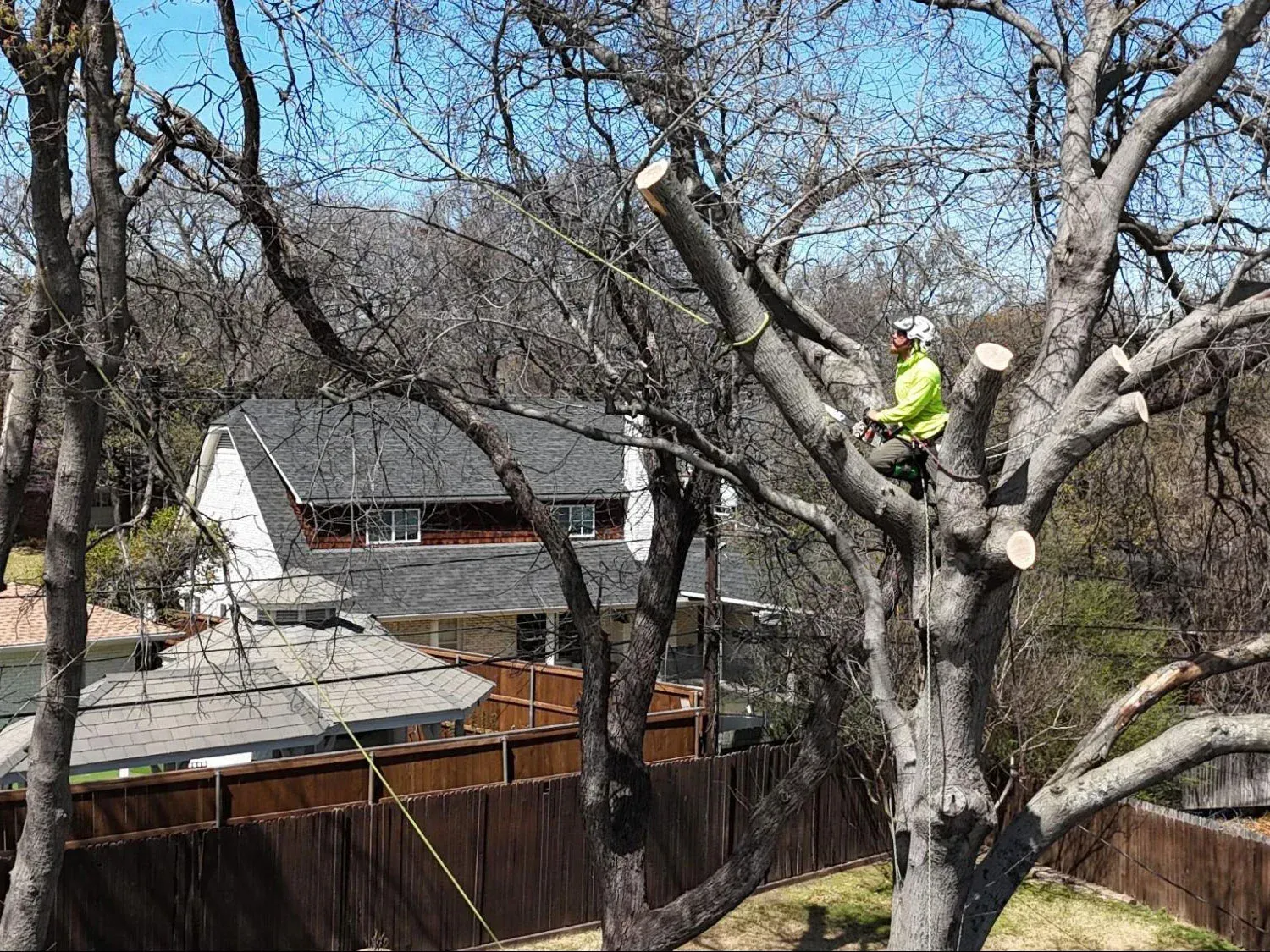
Worker pruning a large tree over a backyard fence and house on a clear day
September 21, 2026
Compare tree trimming vs tree removal for a storm-damaged tree in Granbury. Learn which damage can be pruned, when removal is safer, costs, and next steps.
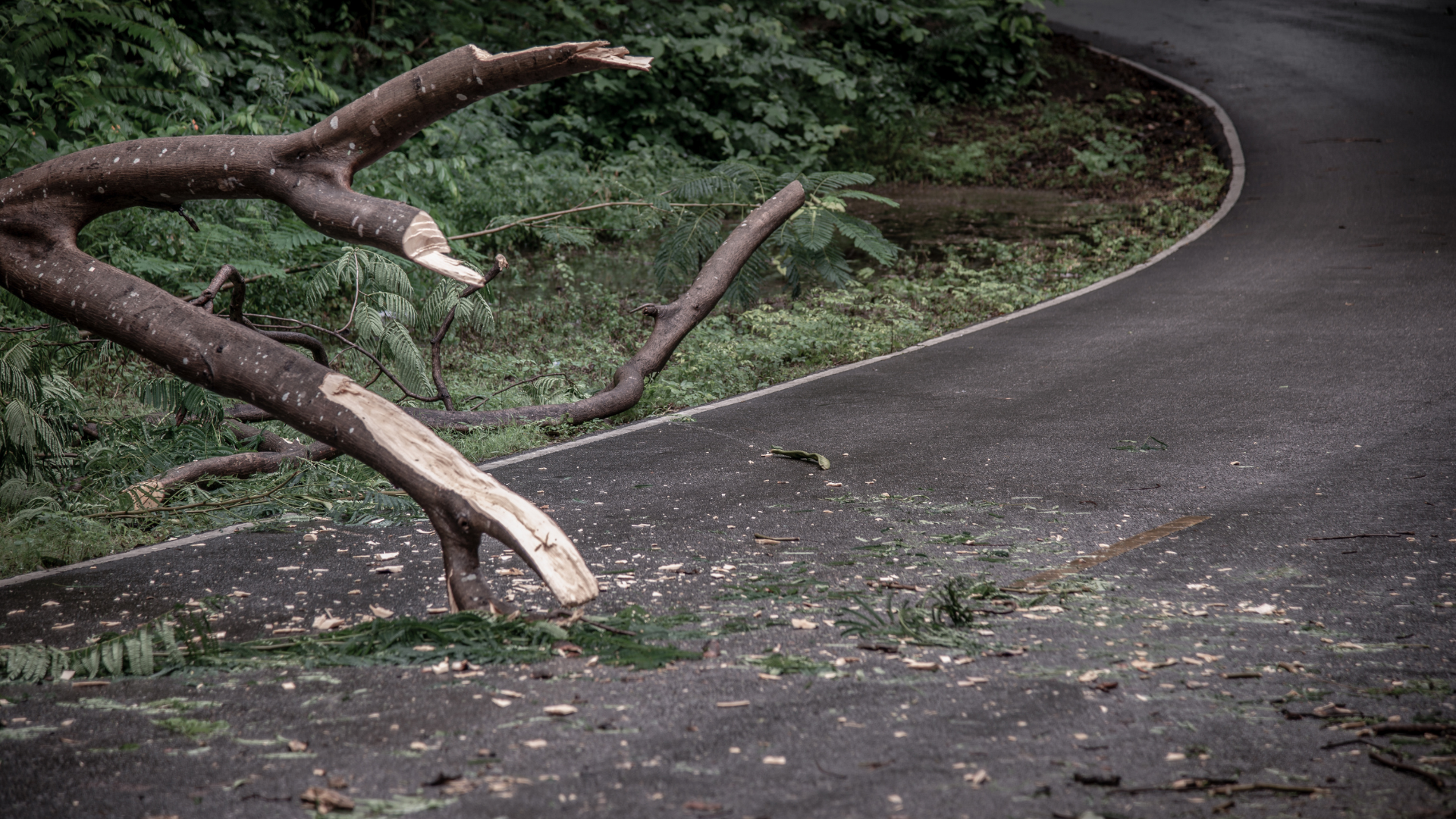
Curving wet road with fallen tree branches blocking the left side, surrounded by dense greenery.
September 7, 2026
Learn why large tree branches fall after a hot Texas summer, what sudden branch drop means, what warning signs to check, and when tree service is needed.
Upward view of a leafy green tree trunk and branches against a blue sky
August 17, 2026
Learn how heat, drought, storms, and clay soil affect tree health in Granbury TX, plus what homeowners can do to protect mature trees year-round.
Backyard with a leafless tree, white lounge chairs, and a wooden deck overlooking a grassy field
August 4, 2026
Not every struggling tree needs removal, but some genuinely do. Branch Boss Tree Co. covers 5 signs a tree near your Granbury home may need to come down.
Downed tree branches blocking a driveway beside a house after storm damage
July 21, 2026
A fallen tree in Granbury is a safety situation, not just a cleanup problem. Branch Boss Tree Co. walks you through exactly what to do in the first hour, how insurance works, and when to call for emergency tree removal in Hood County.
Excavator loading cut tree logs into a truck in a grassy field on a sunny day
July 9, 2026
Forestry mulching is changing how Johnson County landowners clear brush and reclaim overgrown property. Branch Boss Tree Co. explains what it is, how it compares to traditional clearing, and when it is the right choice for your North Texas land.
Show More